Key takeaways
- Diameter and arbor: Match the blade diameter and arbor hole to your saw exactly. A 10-inch blade with a 5/8-inch arbor is common, while many 12-inch blades use a 1-inch arbor. Never improvise with an incompatible setup.
- Tooth count: Lower tooth counts generally remove material quickly for ripping, while higher counts produce smoother crosscuts and finish cuts. More teeth can also mean slower feeding and more heat.
- Tooth design: ATB teeth are a useful all-purpose choice for wood. Specialized grind patterns may improve ripping, reduce splintering, or make cleaner cuts in laminates and composite stock.
- Material and thickness: Carbide-tipped teeth are the sensible choice for repeated furniture work. Check that the blade is intended for solid wood, plywood, plastic, or composite materials before cutting.
- Cut quality and workload: Choose a fine-finish blade for visible edges and a dedicated ripping blade for long cuts in thick stock. A combination pack can be more practical than forcing one blade to do everything.
What's inside
Choosing the best saw blade for a table saw is less straightforward than it looks. Tooth count, kerf, arbor size, blade diameter, and the type of cut you need all affect whether a board comes away cleanly or ends up chipped, scorched, or rough along the edge. A blade that excels at ripping framing lumber may be a poor choice for cabinet panels or finished furniture.
This guide focuses on practical home-shop use: clean cuts, manageable noise and vibration, useful blade life, and compatibility with common table saws. We compare versatile options for ripping, crosscutting, fine finishing, and occasional work with plastic or composite materials, so you can choose a blade that matches your projects rather than simply buying the one with the highest tooth count.
As an Amazon Associate we earn from qualifying purchases.




How to Choose a/an Saw Blade For Table Saw (2026)
- Diameter and arbor: Match the blade diameter and arbor hole to your saw exactly. A 10-inch blade with a 5/8-inch arbor is common, while many 12-inch blades use a 1-inch arbor. Never improvise with an incompatible setup.
- Tooth count: Lower tooth counts generally remove material quickly for ripping, while higher counts produce smoother crosscuts and finish cuts. More teeth can also mean slower feeding and more heat.
- Tooth design: ATB teeth are a useful all-purpose choice for wood. Specialized grind patterns may improve ripping, reduce splintering, or make cleaner cuts in laminates and composite stock.
- Material and thickness: Carbide-tipped teeth are the sensible choice for repeated furniture work. Check that the blade is intended for solid wood, plywood, plastic, or composite materials before cutting.
- Cut quality and workload: Choose a fine-finish blade for visible edges and a dedicated ripping blade for long cuts in thick stock. A combination pack can be more practical than forcing one blade to do everything.
The Best Saw Blade For Table Saw (2026)s Reviewed
FOXBC 10-Inch 80-Tooth Ultra Finish Blade
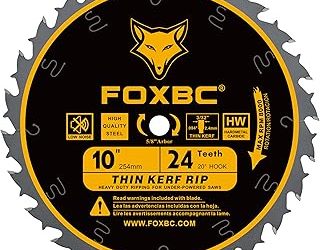
The FOXBC 10-Inch Table Saw Blade with 80 teeth is aimed squarely at clean, furniture-ready cuts in wood. Its 5/8-inch arbor suits many household and contractor-style 10-inch table saws, while the dense tooth pattern should help reduce splintering on plywood, trim, and finished panels. It is best used with a controlled feed rate rather than for fast, heavy ripping.
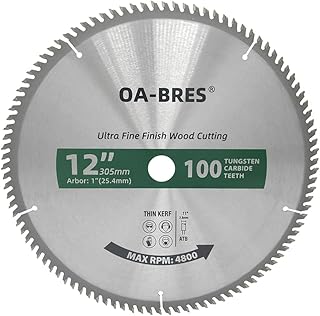
12-Inch 100-Tooth ATB TCT Ultra Fine Finish Blade
This 12-inch, 100-tooth ATB TCT blade is the specialist pick for users with a compatible larger saw and a priority on exceptionally smooth crosscuts. The 1-inch arbor is an important fit check, but for fine furniture parts, veneered boards, and delicate finish work, its high tooth count offers a polished cutting profile. Expect slower progress and more sensitivity to dirty or resin-coated wood.
FOXBC 8-1/4-Inch 60-Tooth Fine Finish Blade
The FOXBC 8-1/4-inch, 60-tooth blade is a sensible match for compact table saws that cannot accept a full-size 10-inch blade. Its fine-finish tooth arrangement should leave cleaner edges than a general-purpose ripping blade, and the diamond knockout adds compatibility flexibility for certain saw designs. It is a particularly useful choice for apartment workshops, small benches, and lighter furniture projects.
10-Inch 80T Compact TCT Wood and Composite Blade
This 10-inch, 80-tooth compact TCT blade offers a strong balance for woodworkers who occasionally cut plastic or composite materials as well as lumber. The carbide-tipped teeth and 5/8-inch arbor make it an appealing everyday finishing option, though it is still wise to follow the material manufacturer’s guidance and avoid forcing the blade through dense stock. Use a steady feed and allow the teeth to do the work.
10-Inch Three-Pack with 32T, 60T, and 80T Blades
The three-pack is the most versatile choice for a home furniture workshop because it covers framing, fine finish, and ultra-fine finish work in one purchase. The 32-tooth blade handles faster rough work, while the 60- and 80-tooth options let you switch to cleaner edges as the project demands. It is a practical way to avoid wearing out an expensive finish blade on jobs where speed matters more than appearance.
Frequently Asked Questions
What tooth count is best for a table saw?
There is no single best count for every task. A blade around 24 to 40 teeth is usually more appropriate for fast ripping, while 60 to 80 teeth are better for clean crosscuts and visible furniture edges. Very high tooth counts favor delicate finish work but feed more slowly.
Can I use a miter saw blade on a table saw?
Only if the blade is specifically rated and shaped for the table saw’s operating conditions. Check the manufacturer’s recommendations, diameter, arbor, kerf, and maximum speed. A blade labeled for both miter and table saw use is the safer choice than assuming all circular saw blades are interchangeable.
Why does my table saw blade burn the wood?
Burn marks can result from a dull blade, an unsuitable tooth count, a misaligned fence, slow feeding, or material pinching against the blade. Disconnect power before checking alignment, clean resin from the teeth, and make sure the blade is sharp and appropriate for the thickness and type of wood.
How often should I replace a table saw blade?
Replace or professionally sharpen it when cuts become rough, burning persists, teeth are damaged, or the blade requires unusual force. Occasional home users may get a long service life, especially when they avoid cutting dirty reclaimed wood and store blades safely when not in use.
Final Thoughts
For most furniture-focused home workshops, the FOXBC 10-Inch 80-Tooth blade is a strong fine-finish starting point, while the FOXBC 8-1/4-Inch 60-Tooth model suits compact saws. If you want one purchase to cover the widest range of tasks, the 10-inch three-pack with 32T, 60T, and 80T blades offers the most practical flexibility.