Key takeaways
- Outdoor furniture: 500–1,500 PSI, depending on the material and finish
- Cars and bicycles: 1,200–1,900 PSI
- Wood decks and fences: 1,200–2,000 PSI
- Vinyl siding: 1,300–2,000 PSI
- Concrete patios and driveways: 2,000–3,000 PSI
- Brick and masonry: 1,500–2,500 PSI, used carefully
What's inside
Choosing the right pressure washer setting is less about finding the highest number and more about matching cleaning force to the surface. Too little pressure leaves grime behind; too much can strip paint, scar wood, damage mortar, or drive water into furniture joints. PSI, or pounds per square inch, describes water pressure, while GPM, or gallons per minute, indicates how much water moves across the surface.
This guide explains the best PSI ranges for common household jobs, how to read a pressure washer’s specifications, and when accessories or technique matter more than raw power. The goal is a cleaner home exterior without turning a simple weekend task into a repair bill.
As an Amazon Associate we earn from qualifying purchases.


Recommended PSI by Cleaning Job
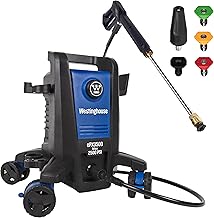
For most household cleaning, a machine in the 1,500-to-2,500 PSI range is the most versatile choice. An electric model such as the Westinghouse ePX3500 Electric Pressure Washer, rated up to 2,500 PSI, offers useful power for patios, vehicles, fences, and general outdoor maintenance without the weight, fuel, or noise of a gas unit.
- Outdoor furniture: 500–1,500 PSI, depending on the material and finish
- Cars and bicycles: 1,200–1,900 PSI
- Wood decks and fences: 1,200–2,000 PSI
- Vinyl siding: 1,300–2,000 PSI
- Concrete patios and driveways: 2,000–3,000 PSI
- Brick and masonry: 1,500–2,500 PSI, used carefully
These are starting points, not fixed rules. A narrow nozzle concentrates force, and holding it close to a surface can make a moderate-pressure washer behave aggressively.
PSI Versus GPM: What Actually Cleans?
PSI provides impact, but GPM helps rinse loosened dirt away. A machine rated at 2,000 PSI and 2.0 GPM can be more productive than one with a higher PSI rating but very low water flow. Some manufacturers also advertise “maximum PSI,” which is typically measured under ideal conditions or at startup. Operating pressure may be lower, so compare both figures when shopping.
For light household work, around 1,500–2,000 PSI and 1.2–2.0 GPM is usually adequate. Heavier concrete cleaning benefits from roughly 2,500–3,000 PSI and at least 2.0 GPM. Gas models such as the Westinghouse WPX3400 Gas Pressure Washer and DeWalt DXPW3300-S provide stronger flow and pressure for large driveways and neglected hardscape, but they are louder, heavier, and require fuel and engine maintenance.
Choose the Nozzle Before Increasing Pressure
Nozzle angle is one of the easiest ways to control cleaning force. A wider spray covers more area with less concentrated impact; a narrow spray cleans stubborn spots but raises the risk of damage.
- 40-degree nozzle: delicate surfaces, vehicles, windows, and outdoor furniture
- 25-degree nozzle: siding, fences, decks, and general rinsing
- 15-degree nozzle: tougher dirt on concrete and brick
- 0-degree nozzle: highly concentrated cleaning; generally avoid on household finishes
- Soap nozzle: applying detergent at low pressure rather than blasting it into a surface
Adjustable tools can be convenient, but a standard quick-connect nozzle set makes it easier to repeat a safe setup. Replacement accessories such as the Sooprinse High Pressure Washer Gun or GDHXW High Power Washer Gun can help when a worn trigger gun, connector, or extension wand is limiting an otherwise capable machine. Confirm hose fittings and pressure ratings before buying.
How Much PSI Does Furniture Need?
Outdoor furniture deserves a cautious approach because finishes, cushions, woven materials, and glued joints can all react badly to forceful water. Begin around 500–800 PSI with a wide-angle nozzle held at least 18 inches away. Increase gradually only if the material tolerates it.
Plastic and resin furniture usually handle moderate cleaning well, while painted wood, wicker, rattan, and metal with chipped coatings need more care. Do not pressure-wash upholstered cushions unless the manufacturer specifically permits it. Use a mild detergent, rinse thoroughly, and allow every joint and crevice to dry completely before storage or use.
A short wand and foam cannon can make vehicle and furniture cleaning more controlled. The Pressure Washer Accessory Short Wand Foam Cannon uses a quick connector and can spread detergent evenly, reducing the temptation to compensate for weak cleaning with excessive pressure.
Electric or Gas: Which Is Better?
Electric pressure washers are generally the better fit for apartments, small homes, cars, patio furniture, and occasional maintenance. They start easily and produce fewer fumes. The Westinghouse ePX3500 is a practical example for homeowners who want a compact machine with an onboard soap tank and multiple nozzles.
Gas pressure washers make more sense for long sessions, large driveways, and heavily embedded grime. The Westinghouse WPX3400 and DeWalt DXPW3300-S sit in the higher-power residential category. Their extra flow can shorten a large job, but never use gasoline equipment in an enclosed garage, and keep exhaust well away from doors and windows.
Tips
- Test on an inconspicuous area first, using the widest nozzle and lowest practical pressure.
- Keep the wand moving and maintain a consistent distance; lingering in one spot causes etching and streaks.
- Spray with the grain on wood and avoid forcing water beneath siding, shingles, seals, or furniture cushions.
- Use manufacturer-approved detergent, rinse from the top down, and protect nearby plants from concentrated cleaner.
Frequently Asked Questions
Is 2,000 PSI enough for most home use?
Yes. Around 2,000 PSI is sufficient for many cars, fences, siding, patios, and outdoor furnishings when paired with an appropriate nozzle and adequate water flow. Concrete with deep stains may require more power or a surface cleaner.
What PSI is safe for washing a car?
Start around 1,200–1,500 PSI with a 25- or 40-degree nozzle, keeping the spray at least 12–18 inches away. Avoid aiming directly at seals, badges, chips in paint, or soft convertible tops.
Can I pressure-wash a wooden deck?
Yes, but use roughly 1,200–1,500 PSI to begin, a wide spray pattern, and a steady sweeping motion. Higher pressure can raise the grain, remove stain, and leave visible lines.
Do pressure-washer guns and nozzles fit every machine?
No. Many accessories use common quick-connect or M22 fittings, but thread size, connector style, hose diameter, and maximum pressure still vary. Check the washer and accessory specifications before ordering.
Conclusion
The best PSI for a pressure washer is the lowest setting that removes the dirt effectively. For most homeowners, a versatile electric washer around 1,500–2,500 PSI is the sensible starting point, while higher-flow gas machines are valuable for extensive concrete and heavy buildup. Choose the nozzle carefully, test first, and let sound technique—not maximum pressure—do the work.