Key takeaways
- Clean stains promptly, but identify the substance first; grease, wine, pet urine, and mud respond differently.
- Photograph or note the rug’s color and pile before cleaning so you can spot dye bleeding or texture changes early.
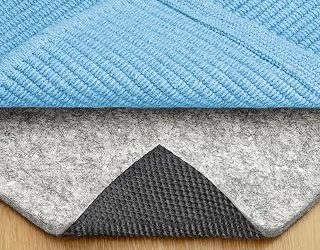
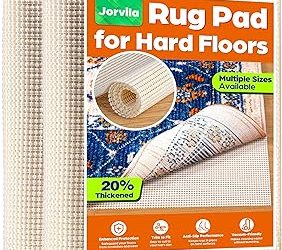
- Use a rug pad to reduce shifting, cushion the fibers, and limit grit grinding into the floor.
- Schedule deep cleaning during a dry, mild day so the rug has enough time to dry fully.
What's inside
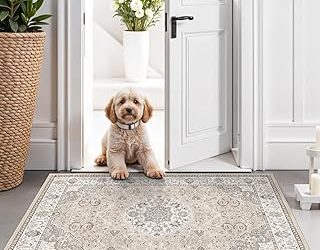
Area rugs absorb more than crumbs and visible dust. They trap grit that wears down fibers, hold onto cooking smells and pet dander, and can develop stubborn marks at the edges where everyday cleaning misses. The safest method depends on the rug’s material, backing, colorfastness, and whether it is genuinely washable—not simply labeled “easy care.”
This guide explains how to clean an area rug without over-wetting it, setting stains, or damaging the floor underneath. You’ll learn when to vacuum, spot-treat, wash, or use a carpet cleaner, plus which tools make sense for routine household messes, pets, and larger rugs.
As an Amazon Associate we earn from qualifying purchases.




Check the Rug Before You Clean It
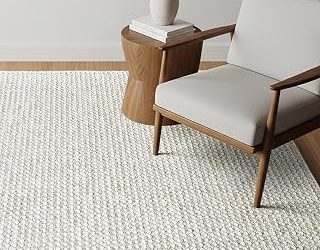
Start by reading the care label and identifying the construction. Machine-washable rugs such as the CHAMPLANT Washable Area Rug are usually thin enough for a household washer, although the correct cycle and drying instructions still matter. Wool, silk, viscose, jute, sisal, antique, and hand-knotted rugs need more caution; many should be handled by a professional rather than saturated at home.
Test for colorfastness in an inconspicuous corner. Dampen a white cloth with the intended cleaning solution, press it against the rug for several seconds, and check whether dye transfers. Also look underneath for latex, rubber, or adhesive backing. Excess water can loosen backing, cause ripples, or leave moisture trapped against hardwood and laminate flooring.
Vacuum Slowly and Remove Loose Soil
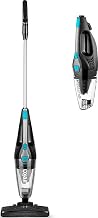
Take the rug outside and shake it only if its size, construction, and local conditions make that practical. Otherwise, vacuum both sides. On the face, use suction appropriate to the pile and switch off a rotating brush if the fibers are looped, delicate, fringed, or already shedding. Move slowly in overlapping passes rather than making one quick sweep.
Vacuuming first is essential because wet grit turns into abrasive mud. Pay particular attention to borders, under furniture legs, and the area near entrances. If the rug has fringe, vacuum toward the fringe rather than pulling the nozzle across it.
Spot-Clean Spills Before They Set
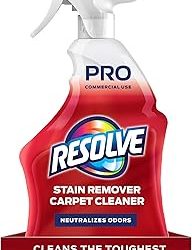
Blot fresh spills with clean towels, working from the outside toward the center. Do not scrub aggressively: rubbing can spread the stain, roughen fibers, and force liquid deeper into the backing. Apply a small amount of rug-safe cleaner to a cloth rather than flooding the rug directly, then blot again with plain water if the product instructions call for rinsing.
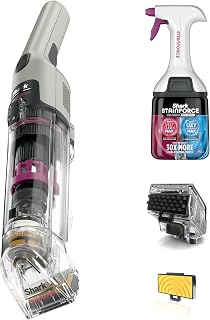
For isolated marks, a portable machine is often more controlled than a full-size extractor. The Shark StainStriker Portable Spot & Stain Cleaner includes separate tools for small marks and crevices, while the cordless Shark StainForce is convenient for quick response in rooms, cars, or outdoor areas where reaching an outlet is inconvenient. Always follow the formula directions and avoid mixing cleaning chemicals.
Deep-Clean the Rug Without Over-Wetting
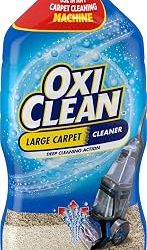
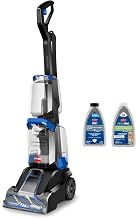
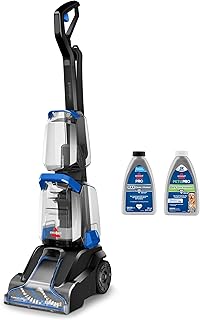
For a synthetic, colorfast rug approved for wet cleaning, use a carpet machine sparingly. Make a slow cleaning pass, followed by several suction-only passes to remove as much moisture as possible. The BISSELL TurboClean Upright Carpet Cleaner is suited to larger carpeted areas and rugs that can tolerate an upright machine. Its included Oxy-based products are designed for tougher organic stains, but test them first because oxygenated formulas may affect some dyes.
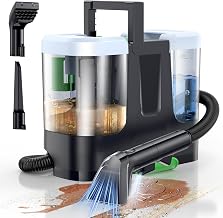
A smaller machine can be easier to control on an area rug. The Hoover PowerDash Pet Compact Carpet Cleaner is a practical choice for homes dealing with tracked-in dirt and pet messes, while the H6 Carpet Cleaner Machine offers spot-cleaning features, dual water tanks, and strong suction for rugs, upholstery, and vehicle interiors. Strong suction helps, but it does not make every rug machine-safe.
Use only the recommended amount of solution. More detergent does not necessarily mean a cleaner rug; residue can attract fresh soil and leave the surface stiff or sticky. Work in sections, keep the machine moving, and stop if the rug begins to curl, bleed, or develop a chemical smell.
Dry It Completely and Protect the Floor
Drying is as important as washing. Hang or elevate the rug where air can circulate underneath, open windows when weather permits, and use fans to move air across—not just at—the surface. Turn the rug periodically so the backing dries too. Do not return it to the floor while it feels cool, damp, or heavy.
Place a waterproof sheet or plastic barrier beneath the rug during drying only if it does not trap condensation against the floor; lift and reposition it frequently. Once dry, vacuum lightly to restore the pile. Replace the rug pad if it has absorbed water or developed an odor, and check the floor for moisture before putting everything back.
Tips
- Clean stains promptly, but identify the substance first; grease, wine, pet urine, and mud respond differently.
- Photograph or note the rug’s color and pile before cleaning so you can spot dye bleeding or texture changes early.
- Use a rug pad to reduce shifting, cushion the fibers, and limit grit grinding into the floor.
- Schedule deep cleaning during a dry, mild day so the rug has enough time to dry fully.
Frequently Asked Questions
Can I put an area rug in the washing machine?
Only if the care label specifically permits machine washing and the rug fits without compressing the drum. Thin washable rugs are the most likely candidates. Never force a large, waterlogged rug into a household washer; its weight can damage the machine and leave the rug unevenly cleaned.
How often should I deep-clean an area rug?
Vacuum high-traffic rugs at least weekly and spot-clean spills immediately. Many homes benefit from a deeper clean once or twice a year, with additional cleaning after muddy weather, renovation work, or a pet accident. Delicate and antique rugs may need professional advice instead of routine home extraction.
Why does my rug smell after cleaning?
A lingering smell usually indicates trapped moisture, detergent residue, or contamination in the backing or rug pad. Improve airflow and continue drying before adding more product. If the odor persists after the rug is completely dry, clean or replace the pad and consider professional treatment.
Should I use a carpet cleaner on a rug with rubber backing?
Only when the manufacturer approves wet extraction. Rubber and latex backings can break down, become sticky, or separate when exposed to heat, water, or cleaning chemicals. For an uncertain rug, use careful vacuuming and low-moisture spot treatment, or ask the manufacturer or a rug specialist.
Conclusion
The best way to clean an area rug is the least aggressive method that removes the soil: vacuum thoroughly, blot spills, test every solution, and use controlled moisture only on rugs designed to tolerate it. A portable spot cleaner is useful for everyday accidents, while an upright extractor can save time on suitable larger rugs. Whatever equipment you choose, complete drying is what protects both the rug and the floor beneath it.