Key takeaways
- Measure doorways, stairwells, and the final installation area before ordering a wooden cabin.
- Start with a short, moderate-temperature session and increase duration gradually as your body adjusts.
- Drink water before and after use, and leave immediately if you feel dizzy, faint, nauseated, or unwell.
- Use a towel on the bench, keep electronic devices away from steam, and follow the manufacturer’s cleaning instructions.
What's inside
Choosing an infrared sauna for home use is less about finding the hottest cabin and more about matching the sauna to your room, routine, and tolerance for installation. A well-chosen model should be comfortable to enter, simple to control, easy to clean, and practical enough that you will use it regularly.
This guide compares the main home-sauna formats, explains what specifications genuinely matter, and highlights the trade-offs between full-size wooden cabins and portable sauna tents. It also covers electrical planning, low-EMF claims, ventilation, maintenance, and the features worth paying for.
As an Amazon Associate we earn from qualifying purchases.




Start With the Space You Have
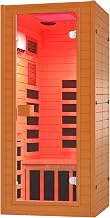
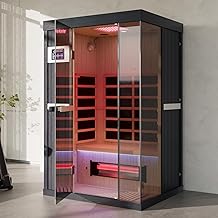
Measure the intended location before comparing heaters or lighting. Freestanding wooden cabins need a level floor, clearance for the door, and enough room to assemble the panels. Pay close attention to ceiling height: a compact cabin such as the OUTEXER Far Infrared Sauna measures approximately 61.6 inches tall, which may suit a low room but offers less headroom than a standard cabin.
Cabin footprints vary considerably. A 1–2 person unit around 40 by 36 inches can work in a larger bathroom, bedroom, or home gym, while a three-person sauna requires a more substantial footprint and a clear path for delivery. Portable models are easier to store, but they still need a dry, heat-tolerant area with access to a suitable electrical outlet. Do not place any sauna where condensation could damage walls, flooring, outlets, or electronics.
Choose the Sauna Format
Traditional wooden cabins are the most furniture-like option. They provide a stable seat, glass door, built-in controls, and a more polished permanent installation. The 3 Person Ceramic Infrared Sauna with red light therapy and a granite backdrop is aimed at buyers who want a roomier, feature-rich cabin. A two-person full-spectrum model with Canadian hemlock construction and a 1,990-watt rating may appeal to households prioritizing stronger output and shared use, provided the circuit can support it.
Compact cabins are often the best compromise for one person. The 1–2 Person Infrared Sauna with Bluetooth, radio, red light therapy, and seven-color lighting adds entertainment and ambiance without taking up the space of a larger room. These extras are pleasant, but they should come after checking seat comfort, door swing, controls, warranty terms, and electrical requirements.
Portable tents and boxes are more economical and flexible. The Infrared Sauna Tent with a 3-liter steamer, folding chair, timer, and remote control can be packed away between sessions. The Infrared Sauna Box combines steam, infrared red-light lamps, insulation, and a chair in a similarly portable format. These products are useful for renters or occasional users, but they are less quiet, less furniture-like, and generally less comfortable for long sessions than a wooden cabin.
Understand Infrared and “Full Spectrum” Claims
Infrared saunas warm the body and surrounding surfaces with infrared energy rather than heating the air as aggressively as a traditional Finnish sauna. Many users prefer their gentler operating temperatures, though the experience is still hot and sweating is expected. “Far infrared” generally refers to longer infrared wavelengths used for radiant warmth; “near infrared” is often associated with more localized light treatment.
“Full spectrum” usually means a product includes near-, mid-, and far-infrared emitters. That label does not automatically prove better comfort or therapeutic results. Look for clear information about the heater types, placement, controls, temperature range, and independent testing rather than relying on the phrase alone. Red-light therapy is an additional feature, not a substitute for medical treatment, and product claims about recovery, detoxification, or disease should be treated cautiously.
Check Heat, Power, and EMF Information
Compare usable heat rather than wattage by itself. A higher wattage can indicate greater electrical demand, but insulation, cabin size, heater placement, and control accuracy also affect performance. Portable steam models may list a 1,200-watt steamer and several heat levels, while larger cabins can require substantially more power. Confirm whether the sauna uses a standard 120-volt outlet and whether the manufacturer specifies a dedicated circuit. Never use an extension cord unless the instructions explicitly permit it.
Low-EMF claims deserve careful reading. Ask whether measurements are provided, at what distance they were taken, and whether they apply to the whole cabin or only selected areas. A credible specification should explain the test method instead of offering only “low EMF” in a product title. If you have an implanted medical device, are pregnant, or have a condition affected by heat, ask a qualified healthcare professional before using an infrared sauna.
Prioritize Everyday Comfort and Maintenance
A sauna is more likely to earn its floor space when it feels pleasant to use. Look for a supportive bench, enough legroom, a smooth interior, readable controls, and a door that opens easily from inside. Speakers, Bluetooth, color lighting, and red-light panels can improve the experience, but none matters if the seat is cramped or the cabin takes too long to set up.
Wipe benches and interior surfaces after each session with a soft cloth and a cleaner approved by the manufacturer. Keep wooden cabins dry between uses and leave the door open briefly after a session to release residual warmth. Portable tents need extra attention: empty and dry the steamer, clean the floor mat and chair, and allow the fabric to dry fully before folding it. Moisture trapped in insulated material can lead to odors or mildew.
Tips
- Measure doorways, stairwells, and the final installation area before ordering a wooden cabin.
- Start with a short, moderate-temperature session and increase duration gradually as your body adjusts.
- Drink water before and after use, and leave immediately if you feel dizzy, faint, nauseated, or unwell.
- Use a towel on the bench, keep electronic devices away from steam, and follow the manufacturer’s cleaning instructions.
Frequently Asked Questions
How hot does an infrared sauna get?
Infrared cabins commonly operate at lower air temperatures than traditional saunas, although the exact range depends on the model, room conditions, and controls. Portable steam-infrared products may feel more humid and can create a different sensation from a dry wooden cabin. Follow the stated operating limits rather than trying to maximize heat.
Is a two-person sauna practical for one person?
Yes. A two-person cabin can give one user more room to stretch out and may be a sensible choice when the available space allows it. If you only have a narrow corner or expect to move the sauna frequently, a one-person cabin or portable tent is usually easier to live with.
Do I need ventilation?
Yes. Infrared cabins do not produce the same volume of steam as a steam room, but fresh air still matters. Use the sauna in a reasonably ventilated space, follow the manual’s clearance requirements, and air out the cabin after each session. Steam tents require especially careful drying and ventilation.
Are infrared saunas safe for everyone?
Heat exposure is not appropriate for every person or situation. Children, people with certain cardiovascular or neurological conditions, those taking heat-sensitive medications, and anyone who is pregnant should seek professional medical advice first. Stop using the sauna if you feel unwell, and never use it while impaired by alcohol or drugs.
Conclusion
The best infrared sauna for most homes is the one that fits the room, electrical setup, and weekly routine without creating unnecessary maintenance. Choose a wooden cabin for a stable, comfortable installation; choose a portable tent or box for flexibility and lower commitment. Within either category, prioritize credible specifications, comfortable seating, straightforward controls, and sensible safety guidance over an impressive list of lighting or entertainment features.