Key takeaways
- Two inches: A modest comfort adjustment that preserves much of the mattress’s original support. Useful for dorm beds, guest rooms, and mattresses that are only slightly firm.
- Three inches: A versatile choice for pressure relief and noticeable contouring without making the bed excessively tall.
- Four to five inches: A dramatic change in feel, best for people who want substantial cushioning. Extra thickness can also make turning, getting out of bed, and fitting sheets more difficult.
What's inside
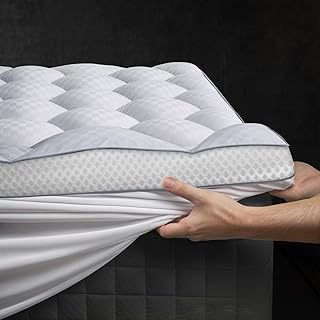
A mattress topper can make an uncomfortable bed feel noticeably more supportive, but the best choice for a bad back depends on what is wrong with the mattress underneath. A topper may soften a surface that feels too firm, reduce pressure around the hips and shoulders, or add a little contouring to an older bed. It cannot, however, correct a badly sagging mattress or treat a back condition.
This guide explains how to choose the right thickness, firmness, material, and fit for better overnight comfort. I’ll also cover cooling, movement, maintenance, and the practical differences between memory-foam, pillow-top, and extra-thick designs, with a few suitable options to help narrow the search.
As an Amazon Associate we earn from qualifying purchases.


Start with the Mattress You Already Have
Before buying, lie on your mattress and identify the problem. If your shoulders and hips feel jammed into the surface, a pressure-relieving topper may help. If your lower back feels unsupported or your pelvis sinks lower than the rest of your body, avoid adding a very soft layer; choose a medium-firm topper, or consider replacing the mattress if it has a permanent dip.
A topper works best when the mattress below is structurally sound. Measure any visible sag with a straightedge, and check whether the bed base is level and adequately supported. A new topper can disguise minor discomfort, but it will not restore a worn-out support core.
Choose the Right Firmness and Thickness
For most back sleepers, a medium or medium-firm topper is the safest starting point. It should cushion the shoulders and hips without allowing the midsection to hammock. Side sleepers often prefer a softer, thicker layer because their shoulders and hips need more room to sink. Stomach sleepers generally need a firmer, thinner surface to help keep the abdomen and pelvis from dropping too far.
Thickness changes the feel substantially:
- Two inches: A modest comfort adjustment that preserves much of the mattress’s original support. Useful for dorm beds, guest rooms, and mattresses that are only slightly firm.
- Three inches: A versatile choice for pressure relief and noticeable contouring without making the bed excessively tall.
- Four to five inches: A dramatic change in feel, best for people who want substantial cushioning. Extra thickness can also make turning, getting out of bed, and fitting sheets more difficult.
The Sleepyhead Twin XL 2-inch topper is a practical example of a thinner option for a college dorm or compact bedroom. At the other end, the SHOUREN 5-inch memory-foam topper is designed for a much deeper, softer transformation, although it needs especially careful consideration if you already sleep warm or prefer easy movement.
Compare Foam with Pillow-Top Fill
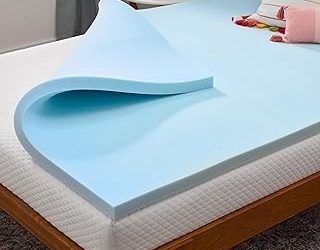
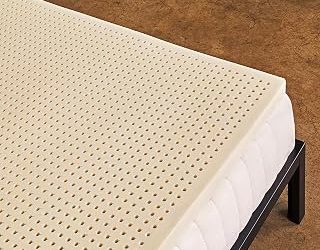
Memory foam responds to body heat and weight, spreading pressure across a wider area. That close-fitting feel can be comfortable for side and back sleepers, particularly when the foam is not excessively soft. Gel-infused or ventilated designs may feel less stifling, but no foam topper is automatically cool: room temperature, sheets, body temperature, and the mattress beneath all matter.
The JSELF 3-inch gel memory-foam topper combines a dual-layer construction with a removable cover and a textured surface intended to improve pressure distribution. The 3-inch Ultra-Fluffy Memory Foam topper takes a plusher approach, with breathable mesh sides and deeper-pocket compatibility. Look for a washable cover, dependable edge-to-edge construction, and independent material testing such as CertiPUR-US when choosing foam.
Pillow-top toppers use polyester, down-alternative, wool, or similar fibers to create a cushioned surface. They usually feel less enveloping than foam and are often easier to turn on, making them appealing to combination sleepers. They can also flatten or clump sooner, so check whether the cover is washable and whether the topper can be regularly shaken, rotated, or refluffed.
The 1000GSM down-alternative pillow top is aimed at shoppers who want a plush, hotel-like surface, while the BEDLORE viscose-bamboo topper emphasizes a breathable, soft cover and a stretchable fit. These styles may be more comfortable for hot sleepers than dense foam, but they provide less corrective contouring if your body needs substantial pressure relief.
Check Fit, Stability, and Bed Height
A topper that slides or bunches under the sheets can create new pressure points. Measure your mattress length, width, and existing height, then compare those measurements with the product’s stated pocket range. Deep-pocket fitted sheets may be necessary once a thick topper is added. Features such as elastic straps, non-slip backing, or a fitted skirt can improve stability.
Pay attention to the cover as well. A removable, machine-washable cover is useful for everyday hygiene, especially if you sleep hot or share the bed with pets. Bamboo-derived or moisture-managing fabrics may feel pleasant, but they do not replace good ventilation and regular washing. Allow a compressed topper to expand fully in a well-ventilated room before judging its feel; new-foam odor should fade with airing.
Match the Topper to Your Sleeping Habits
Couples should consider motion transfer and differing comfort preferences. Memory foam generally isolates movement well, while a lofty pillow top may feel springier and allow easier repositioning. If one person sleeps hot, prioritize a breathable cover and airflow around the bed rather than relying on “cooling” wording alone.
For back discomfort, reassess your alignment after several nights rather than deciding in five minutes at the edge of a showroom. On your back, your spine should feel relatively neutral, with no pronounced gap or forced bend. On your side, your head, neck, and torso should remain roughly aligned. If discomfort increases, return the topper if the policy allows and consider professional advice for persistent pain.
Tips
- Use a supportive pillow that keeps your head level with your spine; a topper cannot compensate for poor neck alignment.
- Rotate a pillow-top topper periodically and smooth the cover after making the bed to reduce uneven wear.
- Let foam expand completely before placing it on the bed, and ventilate the room if there is a noticeable manufacturing odor.
- Keep the topper dry and use a washable mattress protector above it, leaving enough stretch for the bed to contour naturally.
Frequently Asked Questions
Is a firm or soft topper better for back pain?
Neither is universally best. A medium or medium-firm topper is usually the most adaptable starting point, but side sleepers may need more cushioning. If the mattress sags, changing topper firmness is unlikely to solve the underlying support problem.
How thick should a mattress topper be?
Two inches provides a subtle adjustment, while three inches offers a noticeable balance of cushioning and support. Four or five inches creates a much softer, taller sleep surface and is best reserved for shoppers who specifically want substantial contouring.
Can a mattress topper fix a sagging mattress?
It may temporarily make a shallow dip less noticeable, but it cannot repair broken or compressed support layers. A topper placed over a pronounced sag can sometimes worsen alignment by following the same shape.
How long does it take to get used to a topper?
Give a new topper several nights, and preferably up to two weeks, if your alignment feels comfortable and there is no worsening pain. Foam may soften slightly with use, while fiber-filled toppers can settle sooner. Follow the product’s return instructions during this trial period.
Conclusion
The best mattress topper for a bad back in 2026 is the one that corrects your bed’s specific comfort problem without creating a new alignment issue. Start with the condition of the mattress, then choose thickness and firmness according to your sleeping position. Memory foam is the stronger choice for contouring and motion isolation; pillow-top fiber is often better for a plush, breathable surface. Prioritize a stable fit, washable cover, tested materials, and a realistic return policy—and replace the mattress rather than layering over it when sagging is the real cause of discomfort.