Key takeaways
- Compare the best home gym flooring for home gyms, from thick rubber rolls to interlocking foam tiles, and pick the right thickness for your space.
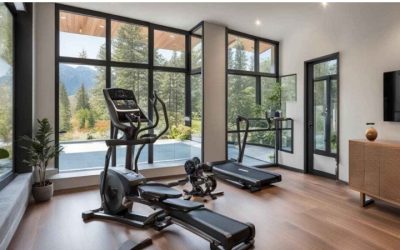
A home gym lives or dies by what sits under your feet. The right floor keeps a barbell from denting hardwood and keeps your knees happier through floor work.
This guide covers floor coverings only: interlocking tiles and rolls that cover a whole workout area. That is a different product from a single gym mat, which sits under one bench or one machine.
Thickness is the first choice to make, and it follows the training you do. Light bodyweight work, yoga, and stretching are comfortable on half-inch foam. Dumbbell work and machines call for a rubber top layer or solid rubber, because foam alone dents under a loaded rack leg. Heavy lifting and dropped weights call for the thickest solid rubber you can lay.
As an Amazon Associate, we earn from qualifying purchases.
How to Choose Home Gym Flooring
Match thickness to the training
Half-inch EVA foam tiles suit bodyweight circuits, stretching, and light dumbbell work. They cushion knees and elbows and they are light enough to lift and rearrange. They dent under heavy point loads, so they are not the pick under a loaded squat rack.
Rubber-topped foam tiles add a tougher skin over the same cushion. The rubber top resists scuffs from shoes and plates, while the foam base keeps the tile light. This hybrid is a good middle ground for a mixed-use room.
Solid rubber tiles and rolls are the heavy-duty end of the shelf. A 3/8-inch rubber roll or a solid rubber tile holds up under racks, benches, and plate storage without denting. Rubber also grips better than foam when the surface gets damp from sweat. The trade is weight: a full roll can weigh 90 pounds.
Tiles or a roll
Interlocking tiles cover odd shapes well. You can trim a tile at a wall, add more tiles when the gym grows, and swap a single damaged tile without lifting the whole floor. The seams are the weak point: tiles with shallow teeth can separate under lateral movement, so look for deep interlocks and add border pieces for a finished edge.
A roll gives you a near-seamless surface with no teeth to separate. It suits a rectangular room and heavy equipment that stays put. The trade is handling: a roll is heavy, awkward to unroll alone, and harder to trim around a doorway.
Mind the subfloor
Concrete is the friendliest base for rubber flooring, and most garage gyms sit straight on it. Wood floors need protection first, because a dropped plate can dent wood through a thin tile. Carpet is the hardest base: tiles can shift on pile, and a roll can ripple. On carpet, a firmer, thicker tile holds its shape better than a soft foam tile.
Smell, cleaning, and edges
Fresh rubber carries a smell that fades with airing. If the gym shares air with a bedroom, unpack the flooring in a garage or spare room for a few days before laying it. For cleaning, a damp mop and mild soap handle most rubber and foam floors. Border pieces stop the outer tiles from lifting at the edge and keep the perimeter from becoming a trip point.
1. ProsourceFit Puzzle Exercise Mat, 1/2 Inch, 144 Sq Ft, Black
The ProsourceFit puzzle mat is the room-covering foam option in this guide, and its scale is the reason it leads. One set holds 36 tiles, each 24 by 24 inches and half an inch thick, covering 144 square feet. That is enough for a full garage bay or a large spare room, and the set includes end borders for a clean edge.
The tiles are high-density EVA foam with a textured, non-skid surface. The texture matters on a foam floor: smooth foam gets slick with sweat, while a textured top keeps feet planted during lunges and push-ups. The half-inch thickness cushions knees and elbows during floor work, and the foam absorbs sound, which helps when the gym sits below a bedroom.
Assembly is tool-free. The tiles press together by hand, and the borders snap on around the perimeter. Because each tile is light, one person can lay the whole floor in an afternoon, and the layout can change later if the rack moves. Tiles also lift out one at a time, so a torn tile is a small fix rather than a floor replacement.
The limit is load. Foam dents under a loaded rack leg and under plate storage, so keep heavy point loads on a rubber layer or a plywood platform over the foam. For bodyweight work, stretching, yoga, and light dumbbell sessions, this is the comfortable pick.
Specs
- Format: Interlocking EVA foam puzzle tiles
- Thickness: 1/2 inch
- Tile size: 24 x 24 inches
- Coverage: 144 sq ft, 36 tiles
- Color: Black
- Model number: ps-2301-pzzl-black-144
- Included: End borders for a finished edge
2. IncStores 3/8 Inch Heavy Duty Rubber Flooring Roll, 4 ft x 10 ft
The IncStores roll is the seamless option in this guide. It is a single sheet of recycled rubber, 4 feet wide and 10 feet long, at 3/8 inch thick. Laid flat, it covers a 40-square-foot strip with no seams at all, which is exactly what you want under a rack or a bench where tiles might separate.
The rubber is dense and firm. It holds its shape under rack feet and plate storage, and it grips shoes well even when the surface is damp. The 3/8-inch thickness takes the edge off dropped dumbbells and protects concrete and wood subfloors from dents.
At 90 pounds, the roll is the heaviest single piece in this guide. Plan for two people to move it and unroll it, and let it relax flat for a day before final placement so the curl from the roll settles out. Trimming is possible with a sharp utility knife and a straight edge, but measure twice: a roll cut short cannot be stretched back.
IncStores lists the roll as made in the USA from recycled rubber, and the same line comes in several sizes, from 3 by 4 feet up to 4 by 10 feet. Match the ASIN and the 4 by 10 foot size when ordering, because the smaller sizes are different listings.
Specs
- Format: Heavy duty rubber flooring roll
- Thickness: 3/8 inch
- Size: 4 ft x 10 ft
- Coverage: 40 sq ft
- Weight: 90 lb
- Material: Recycled rubber
- Model number: 38rolls410
- Origin: Made in the USA
3. AIRHOP Rubber Top Gym Flooring, 0.79 Inch, 48 Sq Ft, Black and White
The AIRHOP set is the thickest foam tile in this guide, and its rubber top is what sets it apart from plain foam. Each tile pairs a rubber top layer with high-density EVA foam underneath, so the surface resists scuffs from plates and shoes while the foam base cushions joints. At 0.79 inch thick, it is the most cushioned pick here.
One set holds 12 tiles, each 24 by 24 inches, covering 48 square feet. The tiles use upgraded interlocking teeth that the maker describes as holding together under lateral movement. The black and white two-tone layout also breaks up a large dark floor without any extra trim.
The rubber top changes how the floor feels underfoot. It is firmer than bare foam, so a bench sits steadier, and it wipes clean more easily after a sweaty session. The foam base still gives enough to protect knees during floor work, and the combined thickness damps sound from dropped dumbbells better than a half-inch tile.
Specs
- Format: Interlocking rubber-top EVA foam tiles
- Thickness: 0.79 inch
- Tile size: 24 x 24 inches
- Coverage: 48 sq ft, 12 tiles
- Color: Black and White
- Model number: AH-GF001
- Material: Rubber top over EVA foam
4. PRAISUN Rubber Top Gym Flooring, 0.6 Inch, 48 Sq Ft, Black and Grey
The PRAISUN set follows the same hybrid idea as the AIRHOP tiles, at a slimmer 0.6-inch thickness. A rubber top layer sits over high-density EVA foam, giving a tough, textured surface for shoes and plates with cushion underneath. The set covers 48 square feet with 12 tiles, each 24 by 24 inches, in black and grey.
The thinner profile is a real advantage in a room with a low doorway or a tight fit under a door. A 0.79-inch tile can catch a door swing; a 0.6-inch tile usually clears it. The rubber top still protects the foam from scuffs, and the maker notes the materials are SGS-certified and non-toxic, which matters in a room where you train barefoot or with kids nearby.
The tiles link in a puzzle pattern and can be taken apart and re-laid, so the floor can grow with the gym or move to a new room. Match the ASIN and the black and grey colorway when ordering, because the same line comes in other colorways under different listings.
Specs
- Format: Interlocking rubber-top EVA foam tiles
- Thickness: 0.6 inch
- Tile size: 24 x 24 inches
- Coverage: 48 sq ft, 12 tiles
- Color: Black and Grey
- Model number: SEM002BT
- Material: Rubber top over EVA foam
5. Yes4All Heavy Duty Rubber Floor Tiles, 8 Pcs, 20 Sq Ft, Gray
The Yes4All tiles are the solid rubber pick in this guide. Each tile is molded from high-density rubber with no foam layer, so the surface is firm, dense, and built to take point loads. Eight tiles cover 20 square feet, which suits a compact lifting zone, a rack footprint, or a strip under a bench and plate storage.
Solid rubber is the right call where foam dents. Rack feet, bench legs, and plate trees all sit flat on these tiles without sinking in, and the rubber grips the subfloor so the layout stays put. The tiles interlock, so the zone can grow by adding more sets, and a single tile can be swapped out if it ever wears through.
The tile thickness is listed at 5/12 inch, a little over 3/8 inch, which is enough to protect concrete and wood from dropped dumbbells while keeping the floor low enough for a normal door swing. The gray color hides dust and chalk better than black, which is a small but real plus in a room that sees daily use.
Specs
- Format: Interlocking solid rubber floor tiles
- Thickness: 5/12 inch
- Coverage: 20 sq ft, 8 tiles
- Color: Gray
- Model number: ZSQM2
- Material: High-density rubber
Laying and Living With Gym Flooring
Measure the room before ordering, and add a small margin for trimming. Tiles are forgiving: order a few extra and keep the spares for repairs. Rolls are not: a roll cut short leaves a gap you cannot fill from the same piece, so confirm the length against the longest wall it must cover.
Lay tiles from the center of the room outward. Add border pieces around the perimeter to lock the edge down. For a roll, unroll it a day early and let it relax flat, then trim with a sharp knife and a straight edge.
New rubber carries a smell. Air the pieces out in a garage or spare room for a few days before laying them, and the smell fades. Clean rubber and foam with a damp mop and mild soap. Keep the floor dry after mopping so the surface stays grippy, and check the seams every few months: a tile that has crept can be pressed back into place in seconds.
One last distinction worth repeating: flooring covers the room, a mat covers one machine. Buy the thickness for the heaviest work you do, not the lightest, and the floor will outlast the equipment on it.
Frequently Asked Questions
What thickness of home gym flooring do I need for dumbbell work?
A rubber-top tile around 0.6 inch or a solid rubber tile around 3/8 inch handles dumbbell work well. Half-inch foam alone dents under a loaded rack leg, so keep foam for bodyweight and stretching zones and use rubber where plates and racks sit.
Are interlocking tiles or a rubber roll better for a home gym?
Tiles suit odd shapes and growing gyms, since you can add or swap single pieces, while a roll suits a rectangular room and gives a seamless surface with no teeth to separate. Tiles are easier to carry and lay alone; a roll needs two people and careful measuring.
Can I lay gym flooring over carpet?
It can be done, but carpet is the hardest base. Tiles can shift on pile and a roll can ripple, so choose a firmer, thicker tile and keep heavy equipment on a solid rubber zone.
How do I get rid of the new rubber smell?
Unpack the tiles or unroll the roll in a garage or spare room for a few days before laying the floor. Airflow fades the smell faster than anything else, and a wipe with mild soap and water helps once the floor is down.
More from Amazon
Programs that pair well with the guide above. Offers and eligibility are set by Amazon and may change.
Collect the home and kitchen items you want in one registry that guests can shop from.
Create a wedding registrySet up recurring deliveries of everyday items on eligible products. Terms and savings are set by Amazon.
Explore Subscribe & SaveFree shipping on eligible items, Prime Video and more. Eligible new members can start with a free trial.
Start a Prime free trialAudiobooks and podcasts to listen to on the go. Eligible new members can start with a free trial.
Try Audible freeAs an Amazon Associate we earn from qualifying purchases.