Key takeaways
- Find the right exercise mat for home workouts with five thick, roomy picks, from half-inch NBR foam to extra-wide TPE mats made for floor work.
A good exercise mat turns a hard floor into a workable training space. The right one cushions your knees during floor work, keeps you from sliding during a plank, and rolls away when the session ends. The wrong one is too thin, too narrow, or too slick, and it quietly makes every workout harder than it needs to be.
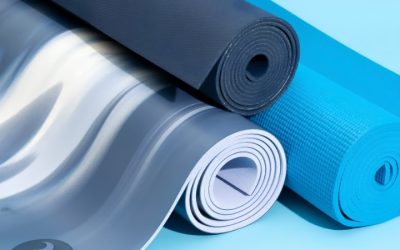
This guide covers five single roll-up mats for home workouts. Each one is thick TPE or NBR foam, each one is built for floor work at home, and each one is a different answer to the same question: how much cushion and how much room do you need? None of these are folding gymnastics mats, interlocking floor tiles, or puzzle-piece flooring. They are the classic roll-out mats that live beside a bed or behind a door and come out for every session.
As an Amazon Associate, we earn from qualifying purchases.
How to Pick the Right Exercise Mat
Thickness comes first. A mat around 10 mm gives a clear cushion under knees and elbows on a wood or tile floor. A half-inch mat, about 12.7 mm, adds a deeper layer for long kneeling holds and floor-based core work. A full inch of foam is the deepest option here, and it feels like a real pad under your whole body. The trade-off is balance: the softer and deeper the foam, the more your feet sink during standing moves. If your routine is mostly floor work, go thicker. If you do a lot of standing lunges and single-leg balance work, a firmer 10 mm mat keeps you steadier.
Material comes next. NBR foam is soft, springy, and light, and it is the material in most thick cushioned mats. TPE is a denser, rubber-like foam that tends to feel firmer underfoot and holds its shape well. Both wipe clean with a damp cloth. NBR can feel warmer and softer, while TPE often gives a drier grip when hands get damp.
Size matters more than most buyers expect. A standard mat is 72 inches long and 24 inches wide, which fits most people lying flat. Taller users should check length before ordering, since a mat that ends at the shoulders is no use for a full stretch. Width matters too: 24 inches is fine for a straight line of work, but a 32-inch or wider mat gives room for side lunges, wide squats, and arm work without a hand slipping off the edge. The two extra-wide mats in this guide are twice the width of a standard mat, which changes how a home workout feels.
Grip is the last thing to check. Look for a textured surface on both faces. A mat that grips the floor and grips your hands at the same time is the one that stays put during a fast session. A carry strap or bag is a small bonus that makes a real difference when the mat moves between rooms or to a class.
1. Amazon Basics Extra Thick Exercise Mat
The Amazon Basics Extra Thick mat is the classic half-inch NBR mat, and it is the one most home gyms end up with for a reason. At 74 inches long it is a couple of inches longer than the usual 72-inch mat, which helps taller users stretch out fully. The half-inch NBR foam puts a real layer between your knees and a hard floor, and the textured surface keeps hands and feet from sliding during planks and push-ups.
The foam is soft without feeling floppy. It compresses under a knee and springs back, and it stays flat once unrolled. A carry strap comes in the box, so the mat rolls up and hangs on a hook or slides under a bed. The black colorway is the one listed here, and it hides scuffs from shoes better than lighter colors. Note that other colors of this same mat carry their own codes, so match the ASIN and the black colorway when you look it up.
This is the mat to pick when you want deep cushion, a long footprint, and a simple design that does its job without fuss. It suits floor-based routines, stretching, and core work, and it is a solid first mat for anyone setting up a home workout corner.
Specs
- Size: 74 x 24 x 0.5 inches
- Material: NBR foam
- Model: YM2001
- Color: Black
- Carry strap: Included
- Surface: Textured, non-slip
2. Gaiam Essentials Thick Yoga Mat
The Gaiam Essentials Thick mat is the 10 mm NBR option, and it is the best balance of cushion and stability in this guide. Ten millimeters is enough foam to soften a wood floor under your knees, but the mat still feels firm enough for standing work. The surface is textured on both sides, and the easy-cinch carrier strap makes it simple to roll up and carry.
Gaiam has made mats for years, and this one shows it. The foam is dense for NBR, so it does not bottom out under a knee the way a softer mat can. The purple colorway is the one listed here, and it was sold and shipped by Amazon.com at a recent check. Other colors of this mat carry their own codes, so match the ASIN and the purple colorway when you look it up.
Pick this mat when you want a thick mat that still feels steady underfoot. It works for a mix of floor work and standing moves, and it is a good fit for anyone who does a bit of everything in a home workout.
Specs
- Size: 72 x 24 x 10 mm (2/5 inch)
- Material: NBR foam
- Color: Purple
- Carry strap: Easy-cinch strap included
- Surface: Textured, non-slip, double-sided
3. Retrospec Solana 1 Inch Yoga Mat
The Retrospec Solana 1 Inch mat is the thickest pick in this guide, with a full inch of foam under your whole body. If your knees complain on a hard floor, this is the mat that answers them. The foam is firm for its depth, so it cushions without feeling like a mattress, and the non-slip surface holds through floor work and stretching.
At 72 inches long and 24 inches wide, it matches the standard footprint, but the inch of foam changes how it feels. Kneeling lunges, side planks, and long seated stretches all get easier when the floor stops digging in. A nylon strap comes in the box for rolling and carrying. The mat is listed as free of BPA, phthalates, and latex, and it wipes clean with a damp cloth. The black colorway is the one listed here.
One honest note: a full inch of soft foam is less steady for standing balance work than a firmer 10 mm mat. If your routine is mostly floor-based, that trade is well worth it. If you do a lot of standing balance moves, pair this mat with a firmer option or keep your balance work on the firmer end of your routine.
Specs
- Size: 72 x 24 x 1 inches
- Material: Foam (EBR)
- Part number: 4423
- UPC: 840216300705
- Weight: 2.2 pounds
- Color: Black
- Carry strap: Nylon strap included
- Free of: BPA, phthalates, latex
4. CAMBIVO Large Yoga Mat
The CAMBIVO Large mat is the extra-wide pick, and it changes the feel of a home workout. At 72 inches long and 48 inches wide, it is twice the width of a standard mat, so your hands and feet stay on the mat during wide squats, side lunges, and arm work. The TPE foam is dense and springy, and the surface grips well in both dry and damp conditions.
This listing offers four thickness choices: 6 mm, 8 mm, 10 mm, and 12 mm. The 12 mm option is the deepest and the best match for floor work on a hard surface, while the 6 mm option is firmer and steadier for standing moves. Match the ASIN and the thickness you want when you look it up. A microfiber towel, two storage straps, and a carrying bag come in the box.
One thing to watch: CAMBIVO also sells a separate large exercise mat, model GC64, which is a 7 mm PVC mat made for shoe-friendly gym work. That is a different mat from this TPE one, model SF64, so check the model number before ordering.
Specs
- Size: 72 x 48 inches
- Thickness options: 6, 8, 10, or 12 mm
- Material: TPE
- Part number: SF64
- Color: Black
- Included: Microfiber towel, 2 storage straps, carrying bag
- Surface: Textured, non-slip
5. YOTTOY Large Yoga Mat
The YOTTOY Large mat is the biggest mat in this guide and the thickest extra-wide option. At 75 inches long, 52 inches wide, and half an inch thick, it gives tall users full length and gives everyone room to move sideways without leaving the mat. The TPE foam is SGS and TUV certified for environmental safety, and the maker lists it as free of heavy metals and ten types of phthalate.
The surface is textured on both sides, and the mat comes with a strap and a towel. It is made for barefoot work, and the half-inch depth cushions knees and hips during long floor sessions. The size is the real story here: a 52-inch width means a full home workout, from side lunges to wide planks, happens on the mat rather than half on it and half on the floor.
One honest note: the listing copy mentions both a half-inch and a one-third-inch version in places, so match the half-inch (12 mm) variant when you look it up. The mat is also large when rolled, so it needs more storage room than a standard mat. A corner of a bedroom or a spot behind a door works well.
Specs
- Size: 75 x 52 x 1/2 inches
- Material: TPE
- Thickness: 1/2 inch (12 mm)
- Certifications: SGS and TUV certified
- Included: Strap and towel
- Surface: Textured, non-slip, double-sided
What We Left Out
A few well-known mats did not make the five. The BalanceFrom GoYoga half-inch mat is a long-time favorite with a two-year warranty, but its US listing could not be pinned down cleanly enough for this guide. The ProsourceFit tri-fold mat and the BalanceFrom folding gymnastics mat are good products, but they fold rather than roll, so they belong in a folding-mat guide rather than this one. Interlocking puzzle tiles and rubber floor tiles were also left out, since they are flooring, not roll-up mats. The Tone Fitness one-inch mat and the GXMMAT large exercise mat were considered, but neither surfaced a clean US listing in time for this guide.
Frequently Asked Questions
How thick should an exercise mat be for home workouts?
For floor work on a hard surface, 10 mm is a good floor, and half an inch is better for knees and elbows. A full inch of foam is the deepest option and suits long kneeling and seated work. For standing balance moves, a firmer 10 mm mat keeps you steadier than a very soft thick one.
Is TPE or NBR foam better for an exercise mat?
Both work well, and the choice comes down to feel. NBR foam is softer and springier, which suits floor work and joint comfort. TPE is denser and firmer, which suits standing work and holds its shape longer. Either material wipes clean with a damp cloth.
What size exercise mat do I need for home workouts?
A standard 72 by 24 inch mat fits most people lying flat. If you are tall, look for 74 or 75 inches of length. If your routine includes wide squats, side lunges, or arm work, a 32-inch or wider mat keeps your hands and feet on the mat. The extra-wide mats in this guide are 48 and 52 inches wide.
Can I use an exercise mat with shoes on?
Most thick foam mats are made for barefoot or sock work, and shoes wear the surface faster. The CAMBIVO GC64 is a separate shoe-friendly mat, but the five mats in this guide are best used barefoot or in socks. Wipe the mat down after each session and let it air dry before rolling it up.
The Bottom Line
The Amazon Basics Extra Thick mat is the simple, deep-cushion pick. The Gaiam Essentials Thick mat is the best balance of cushion and stability. The Retrospec Solana 1 Inch mat is the deepest pad in the guide. The CAMBIVO Large mat doubles the width, and the YOTTOY Large mat goes further still, with the most room and a half inch of TPE under it. Measure your space, match your routine to the thickness, and pick the mat that fits how you actually train.
More from Amazon
Programs that pair well with the guide above. Offers and eligibility are set by Amazon and may change.
Collect the home and kitchen items you want in one registry that guests can shop from.
Create a wedding registrySet up recurring deliveries of everyday items on eligible products. Terms and savings are set by Amazon.
Explore Subscribe & SaveFree shipping on eligible items, Prime Video and more. Eligible new members can start with a free trial.
Start a Prime free trialAudiobooks and podcasts to listen to on the go. Eligible new members can start with a free trial.
Try Audible freeAs an Amazon Associate we earn from qualifying purchases.