Our Top Picks
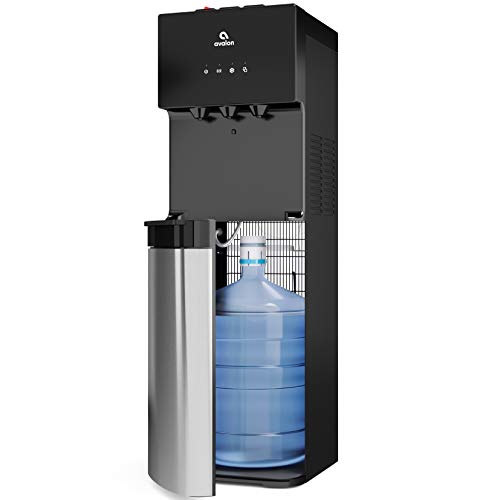 Avalon A4BLWTRCLR Bottom Loading Water Cooler Water Dispenser3 or 5 gallon bottle13 x 12 x 41 inches38.1 PoundsCheck on Amazon
For most homes, a bottom-loading water cooler with a dedicated cold tank and a child-safe hot tap is the easiest way to get reliably cold water, a countertop cooler suits small kitchens and offices, and a point-of-use cooler connected to the home water line suits households that do not want to lift bottles. The best choice depends on how much cold water you drink, how much floor space you have, and whether you want to carry five-gallon bottles. Here is how the main types compare and what to check before buying.
Cold Water Coolers at a Glance
| Type | Best for | Key traits (as makers describe them) | Limits |
|---|---|---|---|
| Bottom-load freestanding | Families who want easy bottle changes and cold water on demand | Bottle sits in a lower cabinet; separate hot and cold taps; often a child-safety lock on the hot tap | Needs floor space and a power outlet; bottles still need delivery or refill |
| Top-load freestanding | Budget-conscious buyers | Bottle inverts on top; simple design; many models list a cold tank and a hot tank | Lifting a heavy bottle overhead; spills happen |
| Countertop cooler | Small kitchens, desks, dorms | Compact, sits on a counter; usually smaller bottles or built-in reservoirs | Lower capacity; counter space needed |
| Point-of-use (bottleless) | Households that want continuous supply | Connects to the water line; some include built-in filtration | Requires plumbing access or installation; filter changes |
| Cold-only cooler | Offices and gyms | No hot tank; simpler and sometimes more compact | No hot water option |
How Cold-Water Coolers Chill
Most home water coolers chill with one of two methods. Compressor models use a refrigeration cycle like a refrigerator, which makers describe as faster and better for large volumes, and which can hold a lower temperature. Thermoelectric models use a solid-state cooling element, which is quieter and lighter but is generally less able to chill water well when the room is warm. Models in the market often list a stated cold temperature range or a cooling capacity per hour, but those figures depend on room temperature and how often you draw water. Check whether the maker lists a cold-water output rate, and consider how many people will draw from it.
Avalon A4BLWTRCLR Bottom Loading Water Cooler Water Dispenser - 3 Temperature Settings - Hot, Cold & Room Water, Durable Stainless Steel Cabinet, Bottom Loading - UL/Energy Star Approved
Chosen because it specifies 3 Temperature Settings and Hot.
View on Amazon
Brio Bottom Loading Water Cooler Dispenser for 5 Gallon Bottles, Stainless Steel
Chosen because it specifies Stainless Steel.
View on Amazon
Manastin Bottom Loading Water Cooler Dispenser, Glacier Silver | 3-5 Gallon Bottles, 3 Temperature - Hot, Cold & Room Water, Child Lock, Ideal for Home & Office
Chosen because it specifies Glacier Silver and 3-5 Gallon Bottles.
View on Amazon
Igloo Top Loading Water Cooler with Removable Drip Tray & Energy-Saving Features- Water Tower with Hot, Cold Temperature Settings- Water Dispenser Fits 3 & 5-Gallon Jugs with Child Safety Lock- Black
Picked as a relevant option in this category.
View on AmazonFreestanding Versus Countertop
Freestanding units are typically 3 to 4 feet tall, stand on the floor, and use five-gallon bottles. They hold more water and often include a cabinet or storage. Countertop units are small, sit on a counter or table, and work for one to three people. Measure available space and clearance behind the unit; many makers recommend leaving a gap around the back for ventilation. In a kitchen with limited floor space, a countertop or under-sink point-of-use option may fit better than a freestanding cooler.
Bottle Loading Style
Top-loading units require lifting a full five-gallon bottle (which is heavy) above your head. Bottom-loading units place the bottle in a lower compartment, which most buyers find easier on the back. The trade-off is that bottom-load units often have a pump, and some reviewers report a gurgling noise as the bottle nears empty. If you or other household members have trouble lifting, bottom-loading or bottleless is the safer pick.
Hot Tank, Cold Tank and Safety
Many coolers include a hot tap, which is a safety concern in homes with children. Makers commonly list child-safety locks or two-step dispensing on the hot tap; look for that wording if it matters. If you do not need hot water, a cold-only or cold-and-room-temperature model avoids the hazard and often uses less energy. Follow the manual for placement, power and cleaning, and plug the cooler into a grounded outlet that is not shared with other heavy appliances. Questions about outlets or wiring should go to a licensed electrician.
Cleaning and Maintenance
Water coolers need periodic cleaning to avoid film and odors inside the reservoir and taps. Makers generally advise cleaning the reservoir every few months using their recommended cleaner or a mild solution, and replacing filters on the schedule they list for point-of-use models. Some models have self-cleaning features such as ozone or UV, but these vary in design and claims, so rely on the maker’s own statement. Drip trays should be emptied and wiped often. Also keep the back vents clear of dust so the compressor does not overheat.
Energy Use and Noise
Coolers run all day, so energy use matters. Some makers state ENERGY STAR certification for specific models; if that is important to you, confirm it on the product page. A hot tank adds to energy use. Compressor models are generally louder than thermoelectric ones when running, but they cool faster. Placement away from bedrooms and living spaces helps if noise concerns you.
Makers You Will See
Primo, Brio, Avalon, Whirlpool, Frigidaire and Clover are among the names that make freestanding and countertop water coolers. Model lineups change, so compare current specifications rather than assuming features carry over from older versions. If you buy for a specific bottle size, check the maker’s compatibility list.
Budget Tiers
- Budget: top-loading and countertop units with basic hot and cold taps.
- Mid-range: bottom-loading freestanding units with child-safety hot taps and larger cold tanks.
- Premium: point-of-use systems with filtration, stainless-steel tanks and added features such as self-cleaning or touch dispensing.
Pick X If… (Decision Table)
| Pick this | If you… |
|---|---|
| Bottom-load freestanding | Want easy bottle changes and strong cold output for a family |
| Top-load freestanding | Want a simple, low-cost cooler and can lift bottles |
| Countertop | Have limited space and low water needs |
| Point-of-use | Want no bottles and can connect to a water line |
| Cold-only | Do not need hot water and want to avoid the hot tap |
Alternatives
- Refrigerator water dispenser: convenient if you already have one; filter changes needed.
- Filter pitcher in the refrigerator: cheap and compact, but slower to refill and limited in capacity.
- Countertop filtered dispenser: gravity filters and chilled dispensers that sit in the fridge.
- Under-sink filter with a dedicated faucet: great for water quality; pair with a bottle for chilling.
Buying Checklist
Before choosing, list the jobs you expect and the space you have. Confirm the lid or latches close securely, the casters or base sit stable, and the connectors lock without wobbling. Read the warranty terms the maker lists and check whether replacement filters, hoses, gaskets and other wear parts are sold separately, because spare-part availability often decides how long a product stays useful. Measure the space where it will live, including clearance for ventilation, hoses or plumbing, and confirm a grounded outlet is within reach of the cord without an extension cord.
Think about upkeep before you buy. Look at how the unit opens, drains or empties, since awkward cleaning is the most common complaint reviewers raise about otherwise capable products. Keep the manual, note the maker’s cleaning schedule, and keep spare filters or consumables on hand. If installation needs wiring or plumbing changes, hire a licensed electrician or plumber instead of improvising.
Frequently Asked Questions
How cold does a water cooler get?
Makers list a stated cold range, and results depend on the cooling type and room temperature. Compressor models generally chill lower and faster than thermoelectric ones. Check the product specs for any stated figure and remember real-world results vary.
Do I need a bottom-load cooler?
Not necessarily, but they are easier on the back. If you can comfortably lift a five-gallon bottle, a top-load model is fine and usually costs less.
Are water coolers safe for children?
Models with a hot tap should have a child-safety lock, and makers often list it. If you want to avoid risk, buy a cold-only model or keep the hot function off if the maker allows.
How often should I clean a water cooler?
Follow the manual. Many makers recommend a cleaning every few months and more often if the unit is in heavy use. Clean the drip tray regularly.
Does a point-of-use cooler need a plumber?
Often it connects to a cold-water line, and some require a simple installation. If you are unsure about plumbing, ask a plumber to install it so the connection is secure and leak-free.
Where should I put a water cooler?
Choose a level, ventilated spot away from direct sunlight and heat sources, with clearance around the back. Keep it near a grounded outlet and away from bathrooms and wet areas.
More from Amazon
Programs that pair well with the guide above. Offers and eligibility are set by Amazon and may change.
Collect the home and kitchen items you want in one registry that guests can shop from.
Create a wedding registrySet up recurring deliveries of everyday items on eligible products. Terms and savings are set by Amazon.
Explore Subscribe & SaveFree shipping on eligible items, Prime Video and more. Eligible new members can start with a free trial.
Start a Prime free trialAudiobooks and podcasts to listen to on the go. Eligible new members can start with a free trial.
Try Audible freeAs an Amazon Associate we earn from qualifying purchases.