Our Top Picks
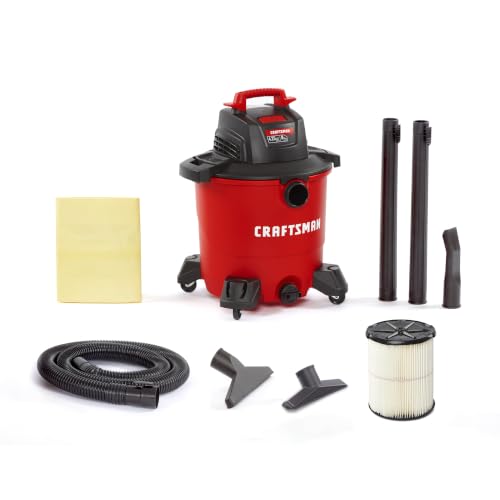 CRAFTSMAN CMXEVBE17590 9 Gallon 4.25 Peak HP Wet9 gallon 4.25 Peak HP w/Dust Bag16.61 x 18.42 x 24.28 inches15.5 poundsCheck on Amazon
For most homeowners, a mid-sized corded shop vacuum in the 5 to 10 gallon range with a good filter and a long hose covers garage, workshop and car cleanup; a small portable model suits apartments and vehicles, and a cordless battery model suits quick jobs where an outlet is out of reach. Peak horsepower figures on the box are a poor guide, so compare tank size, hose diameter, filter type, accessories and noise instead. This guide explains how those factors trade off and where leading makers such as Ridgid, Shop-Vac, Milwaukee, DeWalt, Craftsman and Vacmaster fit.
Shop Vacuums at a Glance
| Type | Best for | Key traits (as makers describe them) | Limits |
|---|---|---|---|
| Small portable (about 2 to 5 gallons) | Cars, stairs, small workshops, apartments | Light, compact, easy to store; some ride on a small caddy | Fills fast; short hose; fewer accessories |
| Mid-size corded (about 5 to 10 gallons) | Garage, DIY projects, general home use | Balance of capacity and size; casters; tool storage on board | Louder than household vacuums; hose and cord can be bulky |
| Large corded (12 gallons and up) | Remodeling, contractor use, large wet cleanups | Big tank, strong airflow, larger hose options | Heavy when full; takes floor space |
| Cordless battery shop vac | Quick jobs, truck and job-site use | Runs on a maker’s battery platform; no cord | Run time depends on battery; often smaller tank |
| Stainless steel tank models | Long-term durability and wet use | Metal tanks resist dents and corrosion, according to makers | Typically heavier |
Why Horsepower Numbers Mislead
Shop vacuums are often marketed with peak horsepower figures, which describe the motor under ideal lab conditions, not how well it picks up debris in your garage. Airflow (cubic feet per minute) and suction (water lift) matter more, and some makers list them. When these numbers are present, compare them between models; when they are not, look at motor type, hose diameter and filter design. A wider hose generally moves more debris with less clogging, while a narrow hose raises suction at the nozzle for fine dust. Neither is automatically better; it depends on the job.

CRAFTSMAN CMXEVBE17250 2.5 Gallon 2.5 Peak HP Wet Dry Shop Vacuum | Portable Wet and Dry Vac with Filter Bag, Hose and Attachments for Cleaning in the Home
Chosen because it specifies Portable Wet and Dry Vac with Filter Bag and Hose and Attachments for Cleaning in the Home.
View on Amazon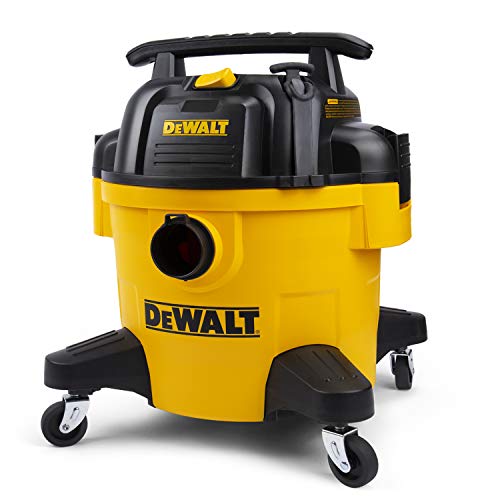
DEWALT Shop Vacuum 6 Gal 4 HP Poly Wet/Dry Vacuum with Blower DXV06P | Wet/Dry/Blower 3-in-1 Portable Poly Tank Shop Vacuum Rubberized Casters Easy Moving Ideal for Garage/Workshop/Jobsite
Picked as a relevant option in this category.
View on AmazonCRAFTSMAN CMXEVBE17590 9 Gallon 4.25 Peak HP Wet Dry Shop Vacuum | General Purpose Wet and Dry Vac with Filter, Dust Bag, Hose and Attachments for Home, Garage and Automotive Cleaning
Chosen because it specifies General Purpose Wet and Dry Vac with Filter and Dust Bag.
View on AmazonTank Size and Footprint
Tank capacity is listed in gallons. Two to five gallons fits in a closet or a trunk and works for cars and small spills. Five to ten gallons is the sweet spot for most households: large enough to avoid constant emptying, small enough to roll around a garage. Twelve gallons and up suits renovation work and large flooding cleanups, but the unit becomes heavy and awkward to lift. Remember that a full wet tank weighs considerably more than the empty product weight listed by the maker, so check whether it has a drain port if you expect to pick up a lot of water.
Filters: The Part That Decides Dust Control
A standard cartridge filter is meant for general debris and light dust. For drywall dust, fine sawdust or ash, makers advise using finer filters or filter bags, and some sell HEPA-rated filters. Fine dust can pass through a basic filter and blow back into the room, so match the filter to the task. Most makers also note that wet pickup requires removing the paper filter and fitting a foam sleeve or specific wet filter, so read the manual before vacuuming liquid. Never vacuum flammable liquids, hot embers or combustible dust unless the product is specifically rated for it by the maker.
Bags, filter cages and foam sleeves are inexpensive but need replacing. Factor in a few spare filters when budgeting. Clean or replace filters according to the manual; a clogged filter is the most common reason for weak suction.
Hose, Cord and Accessories
- Hose diameter: commonly between 1.25 and 2.5 inches. Larger bores are better for chips, nails and leaves; smaller bores for car interiors and tight areas.
- Hose length: a longer hose lets you leave the tank in place; check that it locks securely.
- Cord length and storage: a long power cord avoids extension cords. Some models wrap the cord around the tank body.
- Attachments: crevice tool, floor nozzle with squeegee for wet pickup, brush and extension wands. Some units store these on board.
- Blower port: useful for clearing leaves and drying surfaces; check whether it is listed.
- Power-tool outlet: some models include an auto-start tool outlet that turns the vacuum on when you run a connected sander or saw.
Noise and Home Use
Shop vacuums are louder than household vacuums. Makers sometimes list decibel ratings, and some market quieter models; if you live in an apartment or use the vacuum near living spaces, check these ratings and read reviewers’ notes. Hearing protection is sensible for long sessions. Plugging into a standard household circuit means you should avoid running other heavy appliances on the same circuit at the same time; if a breaker trips repeatedly, an electrician can check the circuit.
Cordless Options
Cordless shop vacs from brands such as Milwaukee, DeWalt and Ridgid run on the maker’s battery platform. They are convenient for quick cleanups and for areas without outlets. Their runtime depends on battery capacity, and tanks are usually smaller than corded units. If you already own tools in a given battery system, a bare-tool version without a battery can be a practical way to join it. For larger jobs or long sessions, corded models still have the edge.
Budget Tiers
- Budget: small plastic-tank units with basic filters. Fine for cars and light garage use.
- Mid-range: 6 to 12 gallon corded models from Ridgid, Shop-Vac, Craftsman or Vacmaster with better hoses and accessory storage. Best value for most homeowners.
- Premium: stainless tanks, HEPA-capable systems, cordless platforms with strong airflow, or contractor-oriented features. Worth it for heavy or frequent use.
Pick X If… (Decision Table)
| Pick this | If you… |
|---|---|
| Small portable | Mostly clean cars, stairs or small spills and have limited storage |
| Mid-size corded | Want one vacuum for garage, projects and occasional wet messes |
| Large corded | Do remodeling or expect big wet cleanups |
| Cordless | Already own the battery platform and want convenience for short jobs |
| Stainless tank | Want long-term durability and frequent wet use |
| Fine-dust filtration | Sand drywall or work with fine dust and need a HEPA-capable filter |
Alternatives
- Wet/dry household vacuums: lighter and quieter, aimed at kitchen and bathroom spills, but less rugged for workshop debris.
- Dust extractors: contractor-grade units with fine filtration designed to connect to power tools; consider these for regular sanding.
- Handheld cordless vacuums: fine for car crumbs, not for heavy debris or liquid.
- Standard canister or upright vacuums: better for floors and carpet but not intended for nails, wet debris or heavy dust.
Buying Checklist
Before choosing, list the jobs you expect and the space you have. Confirm the lid or latches close securely, the casters or base sit stable, and the connectors lock without wobbling. Read the warranty terms the maker lists and check whether replacement filters, hoses, gaskets and other wear parts are sold separately, because spare-part availability often decides how long a product stays useful. Measure the space where it will live, including clearance for ventilation, hoses or plumbing, and confirm a grounded outlet is within reach of the cord without an extension cord.
Think about upkeep before you buy. Look at how the unit opens, drains or empties, since awkward cleaning is the most common complaint reviewers raise about otherwise capable products. Keep the manual, note the maker’s cleaning schedule, and keep spare filters or consumables on hand. If installation needs wiring or plumbing changes, hire a licensed electrician or plumber instead of improvising.
Frequently Asked Questions
What size shop vacuum do most homeowners need?
A 5 to 10 gallon model covers most garage and DIY use. Smaller units suit cars and apartments, while 12 gallons and up is for remodeling and large messes.
Can I use a shop vacuum for water?
Most can pick up liquids, but the maker’s manual usually requires removing the paper filter and using a wet-pickup filter or foam sleeve. Empty the tank when it is full and follow the stated limits, and never vacuum flammable liquids.
Do I need a HEPA filter?
If you sand drywall, work with fine sawdust or clean fine dust regularly, a finer or HEPA-rated filter from the maker helps keep dust out of the air. For general debris, a standard cartridge is usually enough.
Are cordless shop vacuums strong enough?
They suit light to moderate jobs, and some makers list strong airflow. Runtime and tank size are the main limits, so a corded model is better for long sessions or big messes.
Why has my shop vacuum lost suction?
The most common cause is a clogged or full filter. Check the hose for blockages, empty the tank and clean or replace the filter according to the manual. If suction is still weak, check hose connections for leaks.
Can I use a shop vacuum indoors in an apartment?
Yes, but they are louder than household vacuums. Look for quieter models if noise matters, and use fine filters if you will pick up dust.
More from Amazon
Programs that pair well with the guide above. Offers and eligibility are set by Amazon and may change.
Collect the home and kitchen items you want in one registry that guests can shop from.
Create a wedding registrySet up recurring deliveries of everyday items on eligible products. Terms and savings are set by Amazon.
Explore Subscribe & SaveFree shipping on eligible items, Prime Video and more. Eligible new members can start with a free trial.
Start a Prime free trialAudiobooks and podcasts to listen to on the go. Eligible new members can start with a free trial.
Try Audible freeAs an Amazon Associate we earn from qualifying purchases.