Key takeaways
- Thru-hikers and weight counters: inflatable or a stuff sack you fill with a jacket.
- Restless sleepers: foam or hybrid, because they stay put and do not bounce.
- Families at drive-up sites: full-size pillows with removable covers that can go in the wash.
- Kayakers and canoeists: compact foam that tolerates a damp dry bag.
- Hammock campers: a small, curved neck pillow that tucks into the hammock gathered end.
The best camping pillow is the one that balances packed size, weight and comfort for the way you actually camp. Backpackers usually do best with a compact inflatable or a compressible foam hybrid, while car campers can bring a full-size pillow from home. Match the pillow to your sleeping position and your sleeping pad, and you will sleep noticeably better outdoors.
Start with how you get to the campsite
Before comparing fabrics and fills, decide how far the pillow has to travel. A pillow that lives in a car trunk has very different requirements from one that rides in the top lid of a pack for twelve miles. Weight and packed volume matter on the trail; softness and size matter at a drive-up site. Many campers own two: a tiny one for hiking trips and a roomier one for weekends at the lake.
Camping pillow types compared
| Type | Packed size | Comfort feel | Best trip style | Main drawback |
|---|---|---|---|---|
| Inflatable air pillow | Very small | Adjustable, can feel bouncy | Backpacking | Slides around; can be noisy |
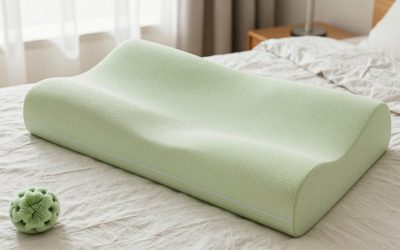
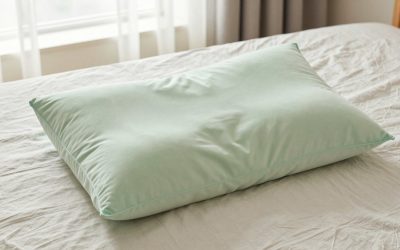
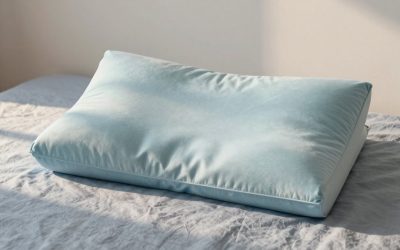
| Compressible foam pillow | Small to medium | Stable, cushioned | Backpacking and canoe trips | Does not shrink as much as air |
| Hybrid air and foam pillow | Small | Cushioned yet adjustable | Mixed use | More parts, usually higher cost |
| Stuff-sack pillow (fill with clothes) | Almost none | Variable | Ultralight trips | Depends on what you pack |
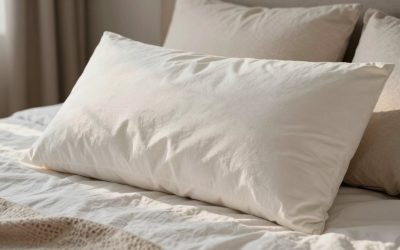
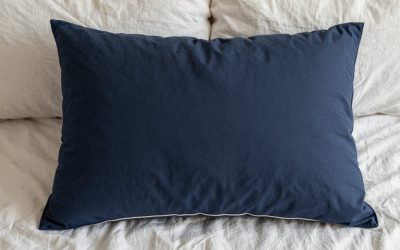
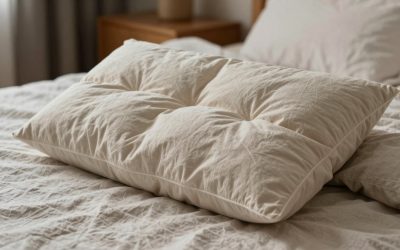
| Full-size camp pillow | Large | Closest to home | Car camping, RV | Bulky |
What to look for
Look at the surface fabric first. A brushed or soft-touch polyester top feels better against skin than slick nylon, which can be clammy on warm nights. Check for a non-slip base or a loop that holds the pillow to your pad; nothing is more annoying than chasing a pillow across a tent floor at 2 a.m. Compression straps or a stuff sack with a drawcord make packing easier, and a washable cover is a real advantage after several days of sunscreen and campfire smoke.
Loft is the other key measure. Side sleepers typically want more height to fill the gap between ear and shoulder, while back sleepers prefer less. Adjustable-fill or inflatable designs let you tune this on the spot, which is why they remain popular among people who change positions overnight.
Choosing by budget and use
You do not need to spend heavily to sleep well outdoors. A basic inflatable camping pillow covers most weekend needs. If you are particular about comfort, a compressible foam camping pillow is generally the more stable option. Spend more only if you backpack often and care about every ounce or want a hybrid build with a brushed cover.
Who each type suits
- Thru-hikers and weight counters: inflatable or a stuff sack you fill with a jacket.
- Restless sleepers: foam or hybrid, because they stay put and do not bounce.
- Families at drive-up sites: full-size pillows with removable covers that can go in the wash.
- Kayakers and canoeists: compact foam that tolerates a damp dry bag.
- Hammock campers: a small, curved neck pillow that tucks into the hammock gathered end.
Care and maintenance
Dry your pillow completely before storing it. Trapped moisture is the main reason camping gear develops odors. For inflatables, open the valve, let them air out in the shade, and fold loosely rather than rolling tightly for months. Wipe the air chamber with mild soap and water when needed, and check the valve for sand. Foam pillows should be fluffed periodically so they regain their shape, and covers that are labelled machine washable can go through a gentle cycle and line-dry.
Common mistakes
- Overinflating an air pillow until it feels like a ball. Let a little air out until your head sinks slightly.
- Skipping a trial night at home. A quick backyard or living room test shows if the height suits you.
- Choosing the lightest option without thinking about comfort, then sleeping poorly for the whole trip.
- Ignoring noise. Some inflatables crinkle with every movement, which bothers light sleepers. Look for quiet-fabric designs.
- Putting a slippery pillow on a slippery pad with no way to anchor it.
Camping pillow FAQ
Is it fine to just use a stuff sack with clothes?
Yes, and many hikers do. The result depends on the clothes you have, so it can feel lumpy. A dedicated pillow is a small weight cost for more consistent comfort.
Can I bring my regular pillow camping?
For car camping, absolutely. Put it in a pillowcase you do not mind washing, and keep it in the car during the day to avoid damp ground or dew.
Should the pillow match my sleeping pad?
It helps. A thick pad raises your body, so you may need a lower pillow, while a thin pad often calls for more loft. Pads with a pillow-stabilizing texture or straps keep everything aligned.
How do I clean a camping pillow after a trip?
Follow the label. Most covers can be washed gently, and most air chambers can be wiped down. Let everything dry fully, then store with the valve open or the pillow loosely stuffed.