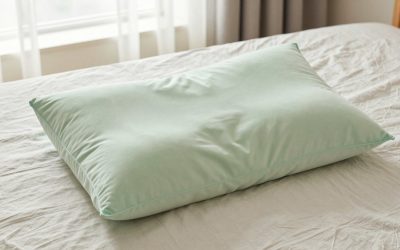
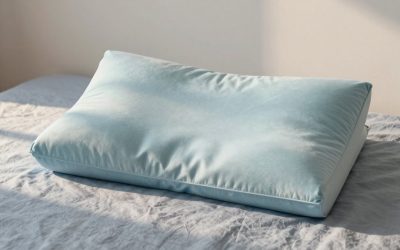
The best pillow is the one that keeps your head and neck in a neutral line with your spine for the way you actually sleep. For most people that means choosing loft and firmness by sleeping position first, then picking a fill type that matches how warm you run and how much you care about durability. Below is a research-led breakdown of how the main pillow types differ, so you can narrow a crowded market quickly.
Start With Position, Not Brand
Pillow shopping goes wrong when people begin with a famous name or a glowing star rating. Start with your posture. Side sleepers have a wide gap between ear and mattress, so they usually need a taller, firmer pillow. Back sleepers need a medium loft that supports the curve of the neck without pushing the chin toward the chest. Stomach sleepers generally do better with something thin and soft so the neck is not forced upward.
Combination sleepers, who rotate through several positions each night, tend to prefer a medium-loft pillow that is forgiving, or one with adjustable fill so they can fine-tune it. If you are unsure, an adjustable shredded-fill design is a low-risk place to begin because you can remove or add material over time.
Fill Types Explained
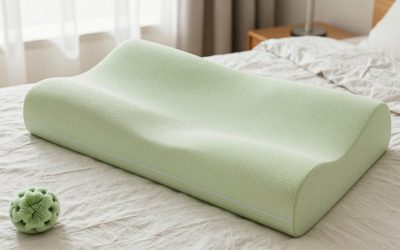
Fill determines feel, temperature and lifespan. Memory foam contours and holds its shape; down and feather feel soft and can be scrunched; latex is springy and resilient; polyester fiber is affordable and easy to wash; buckwheat and similar loose hulls are heavy but extremely adjustable. Each has trade-offs, and none is universally best.
| Fill type | Feel | Typical strength | Typical drawback |
|---|---|---|---|
| Memory foam | Slow-contouring, supportive | Holds neck alignment | Can retain heat |
| Down / feather | Soft, fluffy, moldable | Luxurious drape | Needs fluffing, may trigger allergies |
| Latex | Bouncy, responsive | Durable and breathable | Heavier, firmer feel |
| Polyester fiber | Light and plush | Budget friendly, washable | Flattens sooner |
| Buckwheat hulls | Firm, shaped by you | Highly adjustable | Noisy and heavy |
How to Choose by Budget and Priorities
If budget is tight, a quality fiber pillow with a washable cover offers sensible value, and you can replace it more often. If you want something to last several years, latex and good-quality foam generally hold their shape longer, though you should always check manufacturer details on warranty and care rather than assuming longevity.
Heat matters too. Hot sleepers should look at breathable covers, ventilated or shredded foam, latex, or gel-infused designs. Cold sleepers often enjoy the warmth of down or dense foam. Allergy-prone shoppers may want to browse hypoallergenic pillows with tightly woven covers that limit dust mite exposure.
Who Each Type Suits
Side sleepers with broad shoulders typically gravitate toward higher-loft memory foam or latex. Back sleepers often like a medium contoured pillow with a slightly raised neck roll. Stomach sleepers should consider a thin down-alternative. Travelers and nappers might prefer compact foam designs. If you want to compare a wide selection of queen size bed pillows, filter by fill and loft before reading reviews.
Reading customer reviews is useful, but read for patterns rather than isolated praise. Repeated mentions of flattening within months, odor that does not fade, or inconsistent sizing are worth taking seriously. Recurring comments about neck comfort for a sleeper like you are more relevant than the overall score.
Care and Replacement
Use a pillow protector under the case to block sweat and skin oils, and wash the case regularly. Follow the care label: some fiber and down pillows can go in the washing machine, while most foam and latex should only be spot cleaned and aired out. A common rule of thumb is to fold the pillow in half; if it does not spring back, or you wake with a stiff neck, it is probably time for a replacement. Many manufacturers suggest replacing pillows every one to three years, but the real signal is how it performs for you.
If you want a pillow that can be personalized, look at adjustable shredded memory foam pillows, which let you tune height without buying a second pillow.
Quick FAQ
How firm should my pillow be? Firm enough that your head does not sink below the line of your spine, soft enough that pressure does not build on your ear or cheek.
Do expensive pillows work better? Not automatically. Price often reflects materials and cover quality, but fit for your position matters more than the price tag.
Can a pillow cure neck pain? A pillow can reduce strain from poor alignment, but persistent or severe pain deserves a conversation with a healthcare professional.
How many pillows should I use? One well-chosen pillow is usually enough for the head; additional pillows can be useful between the knees or under the legs for comfort.
The practical approach is simple: pick loft by position, fill by temperature and durability, then check return policies so you can swap if the first choice does not feel right after a week or two of nights.