Key takeaways
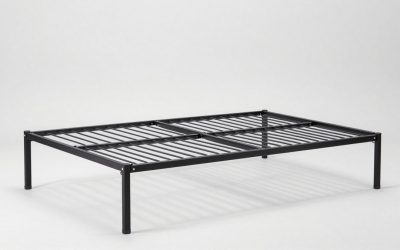
- Metal platform frames: usually 59.5 to 61 inches wide and 79.5 to 81 inches long, because the rails tuck in under or around the mattress edge.
- Wood platform frames: often 62 to 65 inches wide with a visible rail, and 82 to 85 inches long once a headboard is attached.
- Upholstered frames with wings: can reach 63 to 66 inches wide and 84 inches long, with the headboard standing 40 to 48 inches tall.
- Storage beds: add several inches on the sides for drawers and need extra floor space for pulling those drawers out.
A standard queen mattress measures 60 inches wide by 80 inches long (about 152 by 203 cm), covers roughly 33 square feet of floor, and sits inside a frame that usually adds 2 to 5 inches in each direction. Those four numbers decide almost every other choice: the size of the room you need, the sheets and comforter that fit, the doorway the box must pass through, and the frame that will hold it. This guide turns the raw measurements into practical decisions, then walks through seven queen-compatible frames and foundations with their listed dimensions so you can plan the footprint before anything arrives.
Queen Bed Measurements at a Glance
The mattress size is standardized across the United States, but everything built around it varies. The table below separates the fixed number (the mattress) from the flexible ones (frame, bedding, and room).
| Item | Inches | Centimeters | Notes |
|---|---|---|---|
| Queen mattress width | 60 | 152 | Allows about 30 in per sleeper |
| Queen mattress length | 80 | 203 | Comfortable up to about 6 ft 2 in |
| Mattress thickness (common range) | 8 to 14 | 20 to 36 | Hybrids and pillow-tops sit at the top end |
| Surface area | 4,800 sq in | about 3.1 sq m | About 33 sq ft |
| Typical frame outer width | 62 to 65 | 157 to 165 | Depends on rails and headboard wings |
| Typical frame outer length | 81 to 85 | 206 to 216 | Upholstered frames run longer |
| Minimum room for the bed alone | 10 by 10 ft | 3.0 by 3.0 m | Leaves little walking space |
| Comfortable room size | 10 by 12 ft | 3.0 by 3.7 m | Room for two nightstands |
Queen is the most common adult mattress size because it works for one person who likes to spread out, a couple that does not mind sharing, and a guest room that has to suit everyone. It is not a large bed, though. Two adults each get 30 inches of width, which is less than the 38 inches a twin XL gives a single sleeper and noticeably narrower than a king.
How Wide Is a Queen Bed Once the Frame Is Added?
The mattress is only part of the footprint. A minimalist metal frame that hides under the mattress adds almost nothing, while a wingback upholstered frame can add three or four inches on each side and put a thick headboard on the wall behind it. When you plan a layout, measure the frame, not the mattress.
- Metal platform frames: usually 59.5 to 61 inches wide and 79.5 to 81 inches long, because the rails tuck in under or around the mattress edge.
- Wood platform frames: often 62 to 65 inches wide with a visible rail, and 82 to 85 inches long once a headboard is attached.
- Upholstered frames with wings: can reach 63 to 66 inches wide and 84 inches long, with the headboard standing 40 to 48 inches tall.
- Storage beds: add several inches on the sides for drawers and need extra floor space for pulling those drawers out.
A useful habit is to add 3 inches to both the width and length of the mattress for a quick estimate, then replace that estimate with the manufacturer number once you pick a frame.
How Long Is a Queen Bed, and Who Does the Length Suit?
At 80 inches (6 feet 8 inches), a queen mattress leaves room for people up to about 6 feet 2 inches before feet begin to reach the edge. Add a footboard or a frame with a lip and the usable length shrinks by an inch or two, which matters for taller sleepers. If someone in the household is over 6 feet 3 inches, look for a frame with no footboard and consider a longer mattress such as a California king, which is 84 inches long but 4 inches narrower.
Room Size: How Much Space a Queen Bed Really Needs
Furniture planners use clearance rules, not just square footage. The numbers below come from common interior-design guidance and building-code style walkway minimums.
| Clearance | Recommended | Absolute minimum |
|---|---|---|
| Walkway along each side of the bed | 24 to 30 in | 18 in |
| Space at the foot of the bed | 30 to 36 in | 24 in |
| Bed edge to a dresser you open | 36 to 42 in | 30 in |
| Door swing arc | Entire arc clear | Clear to the bed corner |
| Nightstand width beside the bed | 16 to 24 in | 12 in |
Add these to the 60-inch width and the bed with two nightstands needs about 60 + 2 x 24 = 108 inches (9 feet) of wall for the bed wall alone, plus walking space. That is why a 10 by 10 foot room feels tight with two nightstands and a dresser, while a 10 by 12 foot room is the common sweet spot. A 9 by 9 foot room can hold a queen only if the bed goes against one wall, which is a sensible choice for a small guest room but awkward for a couple.
Quick Room Fit Guide
- 9 by 9 ft: queen fits, but with one side against a wall and little else. A full is more realistic.
- 10 by 10 ft: queen with a nightstand on each side and a narrow dresser on the opposite wall.
- 10 by 12 ft: queen with nightstands, a standard dresser, and a bench or chair.
- 12 by 12 ft and larger: a queen leaves generous space; a king becomes an option.
Queen Bedding Measurements Worth Knowing
Sizing mistakes show up most often with bedding. Here are the common dimensions to compare with product labels.
| Bedding | Typical size | What to check |
|---|---|---|
| Fitted sheet | 60 x 80 in, pocket 14 to 16 in | Match pocket depth to mattress thickness plus any topper |
| Flat sheet | 90 x 102 in | Allows a generous tuck-in |
| Comforter | 88 x 92 in up to 90 x 96 in | Drop of 10 to 14 in per side for a standard mattress |
| Duvet cover | 88 x 88 in or 90 x 90 in | Insert should be the same or slightly smaller |
| Bed skirt drop | 14 in for platform, 16 in or more for box spring beds | Check clearance under the frame |
| Standard pillows | 20 x 26 in, two or four per bed | Queen pillows are the same as standard |
When a mattress is thick, a comforter listed at 88 by 92 inches can look short on the sides. Compare the drop, which equals (comforter width minus mattress width) divided by two, then subtract the mattress thickness. A 90-inch comforter on a 60-inch, 12-inch mattress gives a 15-inch total side length and only 3 inches of true drape over the side after covering the top. If you like a long drape, choose a king-sized comforter on a queen bed.
Queen Compared with the Neighboring Sizes
| Size | Width x length (in) | Width per sleeper (couple) | Best for |
|---|---|---|---|
| Full | 54 x 75 | 27 in | One adult, small rooms |
| Queen | 60 x 80 | 30 in | Couples, guest rooms, average rooms |
| King | 76 x 80 | 38 in | Couples who want space, kids or pets in bed |
| California king | 72 x 84 | 36 in | Tall sleepers in narrower rooms |
| Olympic queen | 66 x 80 | 33 in | Niche size, limited bedding choices |
The Olympic queen is the main trap. It is wider than a standard queen, and sheets and covers labeled queen will not fit it well. Choose it only if you are comfortable ordering specialty bedding.
Bed Height: Matching Mattress and Frame Thickness
Width and length get the attention, but height affects daily comfort more than most buyers expect. The top of the mattress should sit roughly level with the back of your knee when you stand beside it, which for most adults means a surface height between 22 and 26 inches. Add the frame height to the mattress thickness to find where you land.
| Frame height | Mattress thickness | Surface height | Typical result |
|---|---|---|---|
| 10 in platform | 10 in | about 20 in | Low, modern look; harder to stand up from for people with stiff knees |
| 12 in platform | 12 in | about 24 in | Comfortable for most adults |
| 14 in metal frame | 10 in | about 24 in | Standard height with room for storage bins |
| 14 in metal frame | 14 in | about 28 in | High; may need a step for shorter sleepers or children |
| 18 in frame with box spring | 12 in | about 30 in or more | Very tall; consider a lower foundation |
A thick pillow-top hybrid on a tall frame is the most common cause of a bed that feels too high. If you are over 6 feet or have a low ceiling fan, the opposite problem can occur: a very low bed makes getting up harder and may sit below the headboard bracket height. Reading the surface height before you buy is easier than adjusting after delivery.
Measuring Your Space Before You Order
A tape measure and ten minutes remove most of the risk. Follow this order so you do not miss a constraint.
- Measure the wall the headboard will sit against. You need at least 60 inches for the bed and about 80 inches if you want space for two compact nightstands.
- Measure the floor depth. The bed needs 80 to 85 inches from the headboard wall, plus 30 inches of walking space at the foot.
- Check window and radiator positions. A tall headboard blocking a window sill or a heater is a common surprise with 44-inch wingback styles.
- Mark the footprint with painter tape. Lay a 65 by 85 inch rectangle on the floor and walk around it to see how the room feels.
- Measure the delivery path. Record the narrowest doorway, the stair width, and any tight corner against the longest piece, which is the 80 inch rail or the 60 inch mattress width.
- Check ceiling height for adjustable and storage frames. If a bed has a tall headboard, confirm it clears sloped ceilings in attic rooms.
Painter tape is the most underrated tool here. A queen looks smaller on a screen than it feels on the floor, and a taped outline shows right away whether the room can handle two nightstands or only one.
Which Queen Frame Fits Your Situation?
Before the product list, use this decision matrix. It maps common situations to the frame characteristics that matter.
| Situation | Frame priority | Why |
|---|---|---|
| Small apartment or rental | Low-profile or tool-light metal frame | Easy to carry up stairs and disassemble at move-out |
| Storage needed | 14-inch metal frame with 12 inches or more of clearance | Fits bins and rolling boxes |
| Heavy hybrid mattress | High weight rating and a center support leg | Prevents slat sag over time |
| Wants a headboard look | Upholstered frame with an integrated headboard | Saves buying a separate headboard |
| Natural materials | Solid wood slats and rails | Strong, quieter, and easier to repair |
| Tall ceilings or low bed preference | 10-inch platform | Mattress sits closer to the floor |
7 Queen Bed Frames and Foundations With Their Listed Dimensions
These are widely sold queen options with published dimensions. Always confirm current specifications on the manufacturer page, since listings change between revisions.
1. Zinus SmartBase Heavy Duty 14-Inch Metal Foundation
Listed size: 80 inches long, 60 inches wide, 14 inches high, with about 13 inches of under-bed clearance. Capacity: the heavy-duty version is rated to 3,000 pounds in queen; lighter tool-free versions in the same family carry less, so read the model name carefully.
Who it suits: renters, students, and anyone who wants a plain steel base with maximum storage. Because the frame is the same width as the mattress, it adds no extra footprint.
Pros: very small footprint, lots of storage space, simple assembly, and a mattress-friendly slat surface. Cons: it has no headboard, steel can be noisy if a bolt loosens, and the look is utilitarian.
2. Zinus Rumi 14-Inch Metal Bed Frame
Listed size: 79.5 inches long, 59.5 inches wide, 14 inches high, with 13 inches of under-bed space, and roughly 27.6 pounds on the scale. Capacity ratings differ between listings and product revisions, so verify the figure on the version you buy.
Who it suits: people moving frequently, since the light frame assembles in about 20 minutes and no box spring is needed.
Pros: light enough for one person to carry, discreet look, and generous storage. Cons: the slightly smaller 59.5 by 79.5 inch deck means a snug mattress fit, and a thick hybrid needs checking against the capacity.
3. Linenspa 14-Inch Folding Metal Platform Frame
Listed size: 14 inches total height with about 13 inches of clearance; the frame folds for storage and moving. Reported capacity figures vary between review sources and the maker listing, so confirm before loading a heavy mattress.
Who it suits: small-space households and people who move often or keep a spare bed for guests.
Pros: folds flat, low cost tier, easy to store. Cons: folding hinges are the first point that can squeak, and there is no headboard.
4. Mellow Naturalista Classic 12-Inch Solid Wood Frame
Listed size: about 79.5 inches long, 59.5 inches wide, 12 inches high, with roughly 8.5 inches under the bed, and a rated capacity of 1,000 pounds.
Who it suits: buyers who want wood without a headboard, or who plan to add a separate headboard later.
Pros: solid wood construction, quiet, and a warm look that works with a wide range of decor. Cons: less storage room than the 14-inch metal frames, and wood frames are heavier to move.
5. Allewie Upholstered Wingback Platform Bed Frame
Listed size: about 81.7 inches long, 63.4 inches wide, and 44.9 inches tall with the headboard. Capacity is listed around 800 pounds on some review pages.
Who it suits: people who want a finished-looking bed with a tall padded headboard for sitting up and reading.
Pros: integrated headboard, wide wings that hide the mattress edges, and a bedroom-ready appearance. Cons: the footprint is wider than a metal frame, so plan for the extra 3 to 4 inches on each side, and fabric can collect dust.
6. Zinus Shalini Upholstered Platform Bed Frame
Listed size: approximately 84.4 inches long, 62.8 inches wide, and 40.5 inches high.
Who it suits: buyers who want a simpler, lower headboard than a wingback style, and who prefer the look of fabric to bare metal.
Pros: wood slat support, no box spring required, and a clean profile. Cons: the extra length means it needs more wall depth than most frames, and the fabric should be vacuumed regularly.
7. Nectar Platform Bed
Listed size: a retailer listing gives the queen at about 64.75 inches wide, 84.75 inches long, and 10 inches high.
Who it suits: sleepers who want a low-profile, wood-and-fabric frame that pairs with a modern mattress.
Pros: low height, slat support designed for foam mattresses, and a polished finish. Cons: little storage space under the frame, and the wider rail needs extra side clearance.
Moving a Queen Bed: Doorways, Stairs and Box Weights
Measurements matter when delivery day arrives. A queen mattress shipped in a compressed box is typically around 15 to 20 inches in diameter or 16 by 16 by 45 inches, and weighs roughly 60 to 100 pounds depending on type, so plan for two people on stairs. A mattress delivered uncompressed is 60 inches wide and must pass through doors at least 30 inches wide, bent slightly, which is why narrow stairwells and tight turns cause problems with innerspring models. Frames arrive as flat packs that often weigh between 30 and 80 pounds. When you check a space, measure the narrowest doorway, the stair width, and any turn in the hallway, and compare them to the mattress and the longest frame piece, which is usually the 80 inch side rail.
What Wears First on a Queen Setup
- Slat spacing: gaps wider than about 3 inches can let foam sag through. Look for gaps of 2.75 to 3 inches or less.
- Center support: a queen needs at least one center leg to prevent the rails from bowing under two adults.
- Bolts and brackets: metal frames loosen over time, so retighten every few months to prevent squeaking.
- Fabric on headboards: abrasion from pillows and wall contact shows first at the corners.
Common Questions About Queen Bed Size
Is a queen bed big enough for two adults?
Yes, for most couples. Each person has 30 inches, which is 8 inches less than a twin XL gives a single sleeper. If either person sleeps hot, shifts a lot, or shares the bed with a child or a pet, a king gives much more breathing room.
Does a queen need a box spring?
Not if you choose a platform frame or a slatted foundation. Traditional bed frames with open rails still need a box spring or a bunkie board. Check the frame description for “no box spring needed.”
Can a queen fit in a 10 by 10 foot room?
Yes. Leave at least 24 inches on both sides and 30 inches at the foot where possible, and use slim nightstands to keep walkways open.
What is the difference between a queen and a full?
A full is 54 inches wide and 75 inches long, so a queen adds 6 inches of width and 5 inches of length. That is the difference between a snug fit for one adult and a comfortable fit for two.
Bottom Line
Use 60 by 80 inches for the mattress, then add the frame, the clearance, and the bedding drop. A queen suits rooms of 10 by 10 feet and larger, fits through standard doors and stairs when shipped in a box, and works with the widest range of sheets and comforters. For storage, pick a 14-inch metal base; for a finished look, an upholstered frame with a headboard; and for a quiet, long-lasting option, solid wood. Measure the room, the doorway, and the frame specifications first, and the size of the bed will stop being a surprise.