Our Top Picks
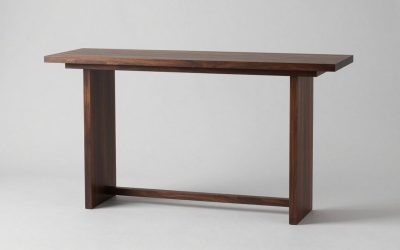
 Walker Edison Modern Farmhouse Accent Entryway Table Entry52 Inch52 x 52.12 x 31.88 inches60 poundsCheck on Amazon
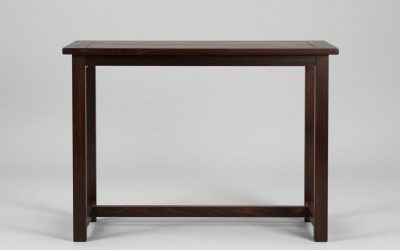
 Walker Edison Colt Modern Farmhouse Solid Wood Entry40 Inch12 x 40 x 30 inches33 poundsCheck on Amazon
 Walker Edison Maya Solid Oak Wood Veneer Console48 Inch15 x 47.88 x 30.13 Inches50 poundsCheck on Amazon
Decorating a console table in an entryway works best when you divide the surface into three zones — a tall anchor on one end, a mid-height bridge in the center, and a low landing spot on the other — then scale every piece to the table’s actual dimensions. Below are the measurements and proportions that make the difference between “styled” and “cluttered.”
Get the Heights Right Before You Style Anything
Most styling failures are measurement problems in disguise. Lock in these numbers first:
Walker Edison Modern Farmhouse Accent Entryway Table Entry Table Living Room End Table, 52 Inch, Rustic Oak
Included for 'How to Decorate a Console Table in Your Entryway: Ideas and Styling Tips' because the listing specifies 52 Inch and Rustic Oak, details this guide uses to compare options.
View on AmazonWalker Edison Colt Modern Farmhouse Solid Wood Entry Table, 40 Inch, Espresso
Included for 'How to Decorate a Console Table in Your Entryway: Ideas and Styling Tips' because the listing specifies 40 Inch and Espresso, details this guide uses to compare options.
View on Amazon
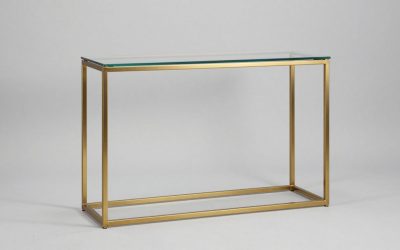
Walker Edison Sedalia Modern Farmhouse Metal X Entry Table, 46 Inch, Grey
Included for 'How to Decorate a Console Table in Your Entryway: Ideas and Styling Tips' because the listing specifies 46 Inch and Grey, details this guide uses to compare options.
View on AmazonWalker Edison Maya Solid Oak Wood Veneer Console Table with Storage, 48 Inch, White Oak
Included for 'How to Decorate a Console Table in Your Entryway: Ideas and Styling Tips' because the listing specifies 48 Inch and White Oak, details this guide uses to compare options.
View on Amazon- Console height: Standard console tables run 30–36 inches tall. Pick 30–32 inches for low, modern profiles and 34–36 inches if you want it level with kitchen counters or door hardware sightlines.
- Console depth: 10–14 inches for hallways, up to 16–20 inches in a large foyer where it won’t block traffic.
- Walkway clearance: Keep at least 36 inches of clear floor in front of the table; 42 inches feels comfortable for two people passing.
- Lamp: 24–30 inches tall including shade. Combined table-plus-lamp height should land between 58–66 inches from the floor — roughly standing eye level. The shade’s widest diameter should be at least 2 inches narrower than the table depth so nothing overhangs.
- Art or mirror: Width should equal 60–75% of the console’s width. Hang it so the bottom edge sits 6–10 inches above the tabletop — close enough to read as one composition, high enough to clear lamp shades and vases.
| Element | Recommended measurement | Why it matters |
|---|---|---|
| Console table height | 30–36 in | Hip height for dropping keys and mail |
| Console depth | 10–14 in hallway; 16–20 in foyer | Keeps traffic lanes open |
| Clearance in front | 36 in minimum; 42 in ideal | Passing space |
| Table lamp total height | 24–30 in (58–66 in from floor) | Aligns with standing sightlines |
| Art/mirror width | 60–75% of console width | Anchored, not floating |
| Art height above table | 6–10 in | Visually connects surface and wall |
| Catchall tray | 10–16 in wide | Scales to one-third of the surface |
| Ottoman/stool underneath | 15–18 in tall | Tucks under typical 30+ in clearance |
The 3-Zone Styling Formula
Mentally split the tabletop into thirds and assign each zone one job. Work left to right — or mirror it if your door swings in from the other side.
Zone 1: The tall anchor (outer third)
Place your tallest object — usually a lamp — on one end. If you skip a lamp, substitute a vase with branches or tall stems reaching 24–30 inches total. This piece does the visual heavy lifting and should sit 2–3 inches in from the table edge, never flush to it.
Zone 2: The mid-height bridge (center third)
The center transitions the eye from tall to low. Use a stack of two or three coffee-table books topped with a small vase (8–12 inches), a candle cluster, or a small sculptural object. If art hangs above, keep center objects below the frame’s bottom edge or deliberately overlap it by an inch or two — overlapping reads intentional; a 4-inch gap reads accidental.
Zone 3: The working layer (opposite third)
This is your functional drop zone: a 10–16 inch tray, a shallow bowl for keys, or a small dish plus one accent like a bud vase. Keep everything here under 6 inches tall so it doesn’t compete with the anchor. Position this zone on the side closest to the door — that’s where hands naturally reach.
Layering Proportions That Make It Look Designed
Two rules keep the arrangement from looking flat or crowded:
- The height pyramid: Tallest object (24–30 in), mid objects (8–12 in), low objects (under 6 in). Each step down should be roughly half to two-thirds the height of the one before it — that ratio creates the diagonal the eye follows.
- Negative space: Leave 30–40% of the surface completely bare. On a 48-inch console, that means about 15–19 inches of empty tabletop. Empty space is what separates styling from storage.
- Depth layering: On consoles deeper than 14 inches, run a back row (leaning art, a tall frame) and a front row (tray, low bowl). On shallow 10–12 inch tables, lean pieces against the wall instead of trying to build two rows — there isn’t room.
- Symmetry changes the mood: The asymmetrical 3-zone layout reads casual and modern. Two matching lamps flanking a centered mirror reads formal — the classic formula for an elegant console table for entryway setups with marble, dark wood, or polished brass finishes.
What Goes Underneath: Ottomans, Baskets, and Bins
An entryway console table with ottomans tucked below is one of the most practical pairings: hidden seating for putting on shoes that doubles as styling. A pair of 15–18 inch cube ottomans or small stools fits under most consoles — just check interior clearance, which equals table height minus the apron (usually 3–4 inches). A 32-inch table with a 4-inch apron gives about 28 inches of usable space, plenty for 16-inch stools with room to slide them out. Usually $40–$150 per ottoman. If the table has a lower shelf instead, use baskets 12–14 inches tall for gloves, dog leashes, and shoes — measured, lidded, and matched in pairs looks intentional.
Match the Formula to Your Entryway
| Your situation | Table and layout | Styling approach |
|---|---|---|
| Narrow hallway, under 4 ft wide | 10–12 in deep console, 30–34 in wide | Mirror overhead, one slim lamp or wall sconce, tray only — skip the mid zone |
| Large foyer or long wall | Large console table for entryway walls, 60–72 in | Two anchors — a lamp at each end or lamp plus tall arrangement — with the working zone off-center; ottomans beneath |
| Open foyer you walk around | Round console table for entryway center, 36–48 in diameter | Style a circular cluster: one tall center vase (18–24 in) ringed by low pieces, attractive from 360° |
| Formal, polished look | Marble, lacquer, or dark wood console | Full symmetry: paired lamps, centered art, three objects maximum |
| Want a conversation piece | Unique console table for entryway — sculptural base, live edge, vintage find | The table is the art: one sculptural object, nothing taller than the table itself, 60% of surface bare |
| Kids and pets | Any console, ideally with lower shelf | Tray with a raised lip, stoneware lamp with weighted base, nothing fragile below tabletop height |
| Renter, no wall holes | Lightweight console under 50 lb | Lean the mirror or art against the wall, plug-in sconce, felt pads under everything |
Mistakes That Throw Off the Proportions
- A lamp that’s too small: Anything under 24 inches reads as a table lamp borrowed from a nightstand. When in doubt, go taller.
- Art hung too high: Gallery height (57–60 inches to center) applies to bare walls. Over furniture, the 6–10 inch gap rule wins — otherwise the wall and table look like two unrelated zones.
- Filling the surface edge to edge: If you can’t see the tabletop material, it’s clutter. Edit until a third of the surface is clear.
- Ignoring the sightline: Stand at your front door and look. The tall anchor should be on the side you see last, so your eye travels across the arrangement rather than hitting a lamp first.
- Styling a round table like a rectangle: A round console table for entryway centers has no “back.” Objects lined up against an imaginary rear edge look wrong from half the room — cluster in the middle instead.
Frequently Asked Questions
How tall should a lamp be on an entryway console table?
24–30 inches including the shade, sized so the bottom of the shade sits near chin level when you stand beside the table. Total height from floor to top of shade should land between 58–66 inches.
What should I put on a console table in a small entryway?
A mirror to bounce light, a lipped tray for keys, and one tall narrow vase. If the table is under 12 inches deep, skip the lamp and use a plug-in wall sconce or a tall slim vase as your anchor instead.
Can a console table be higher than the sofa or hallway wainscoting?
Yes — console tables are meant to be taller than sofa tables (which run 28–32 inches). Against wainscoting, try to stay within 2 inches above or below the chair rail so the horizontal lines don’t fight.
How do I style a console table without a mirror?
Use framed art hung 6–10 inches above the surface, or lean a tall frame against the wall as a back layer. A pair of candlesticks or matching vases can replace the mirror’s symmetry if you want a formal look.