Key takeaways
- Safe size: Match the unit’s stated coverage to the internal volume of your safe. Oversizing is generally preferable when the safe sits in a humid basement or garage.
- Power access: Plug-in models provide continuous protection but require a suitable outlet and a safe cable route. Rechargeable and desiccant options work better where wiring is inconvenient.
- Heating method: Low-wattage warm-air units gently raise internal temperature and circulate air, helping reduce condensation without making the safe noticeably hot.
- Maintenance: Reusable silica gel must be recharged, while electric units need occasional dusting and a quick check of the cord and mounting hardware.
- Installation: Look for compact designs, stable bases, included mounting accessories, and safety certifications when the device will operate unattended for long periods.
What's inside
Humidity is an easy problem to underestimate in a gun safe. Temperature changes, damp rooms, and limited airflow can leave condensation on metal surfaces, encouraging rust on firearms, tools, and other valuables before you notice it. The right dehumidifier provides steady moisture control without taking up the storage space you need.
This guide compares practical options for different safe sizes and setups, including plug-in heaters, rechargeable units, and reusable desiccants. We focus on installation, coverage, maintenance, noise, and the everyday details that matter when a device is expected to protect stored items continuously.
As an Amazon Associate we earn from qualifying purchases.




How to Choose a Dehumidifier For Gun Safe (2026)
- Safe size: Match the unit’s stated coverage to the internal volume of your safe. Oversizing is generally preferable when the safe sits in a humid basement or garage.
- Power access: Plug-in models provide continuous protection but require a suitable outlet and a safe cable route. Rechargeable and desiccant options work better where wiring is inconvenient.
- Heating method: Low-wattage warm-air units gently raise internal temperature and circulate air, helping reduce condensation without making the safe noticeably hot.
- Maintenance: Reusable silica gel must be recharged, while electric units need occasional dusting and a quick check of the cord and mounting hardware.
- Installation: Look for compact designs, stable bases, included mounting accessories, and safety certifications when the device will operate unattended for long periods.
The Best Dehumidifier For Gun Safe (2026)s Reviewed
Gun Safe Dehumidifier Electric
This plug-in gun safe heater uses 360-degree circular heating and a built-in fan to distribute warm air through the safe. It is a sensible choice for owners who want continuous, low-effort protection and have an accessible outlet nearby, though cord placement deserves careful planning.
XL 450g Reusable Silica Gel Dehumidifier
The XL Gun Safe Dehumidifier is a portable, electricity-free option rated for safes up to 60 cubic feet. Its indicating silica gel canister makes it easier to tell when regeneration is needed, making this a convenient pick for cabinets without power or for buyers who prefer a completely silent solution.
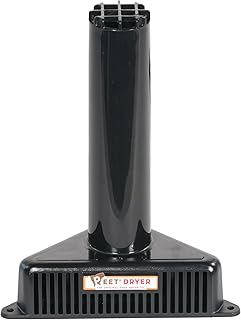
PEET SafeKeeping Dehumidifier
PEET’s SafeKeeping model is designed for much larger gun safes and cabinets, with coverage up to 300 cubic feet. Its warm-air circulation runs quietly around the clock, and the five-year warranty adds reassurance for a device intended to remain installed year-round.
Afloia Rechargeable Gun Safe Dehumidifier
Afloia’s cordless TOPZ 2+1 combines a rechargeable dehumidifier with a heating base, so it can operate where a power cord is impractical. The compact design is also suitable for closets, vehicles, RVs, and boats, but buyers should remember to recharge the unit on its required schedule.
Eva-Dry Wireless Mini Dehumidifier E-333
The Eva-Dry E-333 is a small, wireless moisture absorber suited to compact safes, drawers, and cabinets. It avoids cables and operates quietly, although its limited capacity makes it better for modest storage spaces than for a large, frequently opened safe in a damp location.
Frequently Asked Questions
Should I use a heated dehumidifier or silica gel?
Use a heated unit when continuous power is available and you want minimal intervention. Silica gel is quieter and easier to place anywhere, but it must be removed or recharged when saturated.
Can a dehumidifier prevent gun rust completely?
No device replaces sensible storage habits. Keep firearms clean and lightly protected according to the manufacturer’s guidance, avoid putting wet equipment into the safe, and monitor humidity with a reliable hygrometer.
Where should the dehumidifier go inside a gun safe?
Place it low in the safe while leaving room for air to move around it. Do not cover vents or press a heating unit against ammunition, fabric, wood, or other heat-sensitive materials.
Is a 24-inch dehumidifier rod a good alternative?
A Gun Safe Dehumidifier Rod, Dry Rod is a practical option for long cabinets and larger safes with an accessible outlet. Its plug-in design and ETL approval are useful advantages, but measure the safe first and route the cable so the door seal remains secure.
Final Thoughts
For dependable continuous coverage, the PEET SafeKeeping Dehumidifier is the strongest choice for larger safes, while the XL 450g Reusable Silica Gel unit suits power-free installations and smaller budgets. The Afloia Rechargeable model is an appealing middle ground when cordless placement matters most.