Key takeaways
- Clean spills promptly, especially coffee, wine, grease, and sunscreen.
- Use furniture covers that allow ventilation rather than trapping damp air against the wood.
- Lift furniture when moving it instead of dragging joints across a patio.
- Keep cushions dry and clean so moisture and grime do not transfer back onto the teak.
What's inside
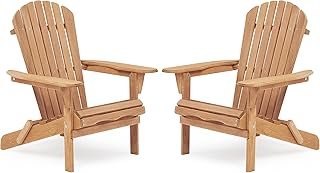
Teak patio furniture is durable, but it is not maintenance-free. Dust, pollen, food residue, mildew, and rain can work into the grain, while strong sunlight gradually turns the wood a silvery gray. That weathered color is not usually a sign of damage, but neglected dirt can hold moisture and make the surface rough, stained, or slippery.
This guide explains the best way to clean teak patio furniture without stripping away useful natural oils or damaging the wood. You will learn how to choose a cleaner, prepare the furniture, scrub safely, decide whether to use teak oil or sealer, and keep the finish looking good between deeper cleans.
As an Amazon Associate we earn from qualifying purchases.



Our recommended picks
For a complete treatment, the Furniture Clinic Teak Care Kit combines cleaner, brightener, and oil, making it a practical choice when furniture needs more than a quick wash. The Bayes High Performance Teak Cleaner & Restorer is suited to tired or neglected teak when you want a cleaner that also helps revive its appearance.
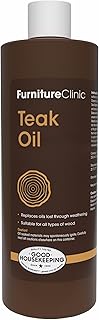
For routine cleaning, Furniture Clinic Teak Cleaner is a straightforward option for outdoor teak and other wood types. STAR BRITE Premium Outdoor Teak Cleaner is another well-known choice for removing outdoor grime. If you specifically want to condition the wood afterward, Furniture Clinic Teak Oil provides a natural matte finish. The EcoDecors Teak Cleaner & Teak Sealer Kit is useful when you want both cleaning and a sealing step, including for garden furniture and other hardwood surfaces.
1. Identify the teak’s condition first
Before reaching for a product, decide what you are trying to correct. Light dust and surface dirt only need gentle washing. Black spotting, green growth, or sticky residue may require a dedicated teak cleaner. Uniform silver-gray coloring is usually natural weathering rather than a problem.
If the furniture has a painted, stained, or previously sealed finish, check the care instructions before using a teak brightener or oil. Test any product on an inconspicuous area, particularly if the wood has an unusual finish or decorative inlay. Teak is naturally oily, but its surface can still be dulled or discolored by aggressive chemicals.
2. Prepare the area and remove loose dirt
Choose a cool, overcast day if possible. Direct sun can dry cleaner onto the wood before you have time to rinse it, creating uneven marks. Move cushions, covers, and metal accessories away from the work area. Sweep the furniture with a soft brush, then rinse it with clean water to remove loose grit.
Do not use a pressure washer close to the surface. Even a durable hardwood can develop raised grain, gouges, or water pushed into joints when exposed to concentrated pressure. A garden hose with a gentle spray is safer and easier to control.
3. Apply teak cleaner with a soft brush
Follow the label instructions for dilution and dwell time. Apply the cleaner in manageable sections rather than covering the entire set at once. A nylon brush with soft or medium bristles works well; avoid wire brushes and abrasive scouring pads, which can scratch the grain and leave an uneven texture.
Work along the direction of the wood grain using moderate pressure. Pay extra attention to armrests, table edges, slats, and joints, where sunscreen, drink spills, and airborne grime often collect. If mildew is present, do not simply scrub harder. Let the appropriate cleaner do the work, and repeat the treatment if the label allows.
4. Rinse thoroughly and let the wood dry
Rinse until the water runs clear and no slippery cleaner remains. Residue left in the grain can create pale patches or attract more dirt. Inspect the furniture while it is still damp, but avoid judging the final color immediately; teak often looks darker during washing and lightens as it dries.
Allow the furniture to dry completely, preferably for 24 to 48 hours, before applying oil or sealer. Keep it in a well-ventilated place and do not stack pieces tightly together. Once dry, lightly sand only rough raised fibers with fine-grit sandpaper, using long strokes with the grain. Remove the dust before the next step.
5. Decide whether oil or sealer is appropriate
You do not have to oil teak to protect it from outdoor weather. Unfinished teak naturally weathers to gray and can remain durable without added treatment. Oil is mainly a color choice: it helps retain a warmer brown appearance, but it needs regular reapplication and can attract dirt if applied too heavily.
If you use teak oil, apply a thin, even coat to clean, dry wood with a lint-free cloth or brush. Wipe away excess before it becomes tacky, and follow the product’s drying instructions. A sealer may be preferable when you want to slow color change while avoiding a visibly oily surface. Never mix products casually; use one system according to its instructions.
Tips
- Clean spills promptly, especially coffee, wine, grease, and sunscreen.
- Use furniture covers that allow ventilation rather than trapping damp air against the wood.
- Lift furniture when moving it instead of dragging joints across a patio.
- Keep cushions dry and clean so moisture and grime do not transfer back onto the teak.
Frequently Asked Questions
How often should teak patio furniture be cleaned?
A light rinse or wipe every few weeks is usually enough during the outdoor season. Give the furniture a deeper clean once or twice a year, and clean it sooner after heavy pollen, storms, food spills, or visible mildew.
Can I use dish soap on teak furniture?
A small amount of mild dish soap diluted in water can handle light surface dirt, but it may not remove embedded grime or weather stains. For neglected teak, use a product specifically labeled for teak or outdoor wood and rinse thoroughly.
Should I sand teak before cleaning?
Usually no. Cleaning should come first, since sanding dirty wood can push grit into the grain. After the furniture dries, lightly sand only rough areas if needed. Avoid heavy sanding, which can alter edges and remove too much material.
Why does my teak turn gray after cleaning?
Sun and weather naturally oxidize teak, producing a silver-gray patina. Cleaning removes surface dirt but does not permanently stop that process. A teak brightener may restore a warmer tone, while oil or sealer can help maintain it for a time.
Conclusion
The best way to clean teak patio furniture is gentle and methodical: remove loose debris, use a teak-safe cleaner, scrub with a soft brush, rinse thoroughly, and let the wood dry fully. Oil or sealer is optional, not mandatory. Choose it based on the appearance and maintenance routine you want, then repeat light care regularly so deeper restoration remains occasional rather than necessary.